

What Is the Most Common Cause of Crane Related Fatalities?
Startling Statistics: Unsafe Practices are the #1 Cause of Crane-Related Fatalities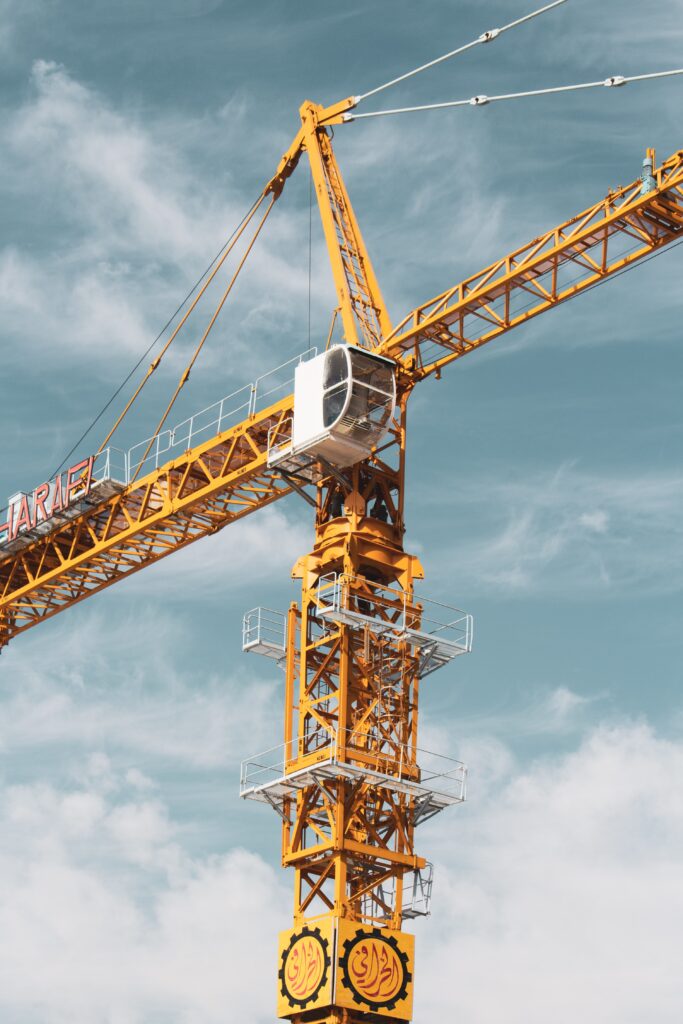
I. Introduction
Working on or around cranes can be a very dangerous job. Unfortunately, unsafe practices by crane operators and other personnel are the most common cause of crane-related fatalities. In 2014 alone, nearly 60 people lost their lives in crane-related accidents in the United States according to the bureau of labor statistics on crane related incidents. The vast majority of these unfortunate victims were employed as crane operators or service personnel, and the majority of their deaths were due to unsafe practices.
A. Definition of Unsafe Practices
Unsafe practices include, but are not limited to, improper crane setup and operation, inadequate worker training and certification, overloading of the crane or its components, poor maintenance of the crane and its components, incorrect use of safety equipment such as fall protection systems, and failure to adhere to specific safety regulations.
B. Startling Statistics on Crane-Related Fatalities
The statistics on crane-related fatalities are startling. According to the U.S. Department of Labor, in 2014, unsafe practices were the primary cause of 60% of all crane-related fatalities. This means that one out of every three people killed in a crane-related accident was due to an unsafe practice. Furthermore, nearly 70% of crane-related accidents involved workers who were not certified to operate the crane at the construction site.
C. Consequences of Unsafe Practices
Unsafe practices can lead to catastrophic consequences for both workers and the general public. Crane-related fatalities often result in large financial losses for employers due to legal fees, fines, and other costs associated with investigations and litigation. Additionally, crane-related accidents can cause property damage or even fatalities among members of the public.
II. Causes of Crane-Related Fatalities
A. Human Error
The most common cause of crane-related fatalities is human error. This includes inadequate training and certification, improper setup and operation of the crane, incorrect use of safety equipment, overloading or misuse of the crane’s components, and failure to adhere to specific safety regulations.
B. Poor Maintenance
Another common cause of crane-related fatalities is poor maintenance or lack of adequate maintenance. This includes inadequate inspection of the crane prior to use, failure to follow the manufacturer’s recommended maintenance schedule, and using worn or damaged parts or components.
C. Environmental Factors
Environmental factors can also contribute to crane-related fatalities. These include high winds, extreme temperatures, and icy or slippery surfaces. This can also cause falling debris and objects, which can lead to fatal accidents.
D. Neglect of Safety Procedures
Finally, the most common cause of crane-related fatalities is neglecting to follow the proper safety procedures. This includes not wearing personal protective equipment (PPE), failing to secure the area around the crane, and not keeping a safe distance from the crane.
II. Types of Unsafe Practices
The most common types of unsafe practices that lead to crane-related fatalities include improper assembly or maintenance of cranes, inadequate safety protocols, failure to follow manufacturer recommendations, overloading equipment, no control of environmental factors that can affect the crane, and lack of proper training.
A. Improper Assembly or Maintenance
Cranes can be dangerous if they have not been properly assembled or maintained according to manufacturer recommendations. This includes not following the recommended maintenance schedule, using worn or damaged parts, or failing to inspect the crane prior to use.
III. Preventing Crane-Related Fatalities
A. Adhering to Regulations
The most important step in preventing crane-related fatalities is ensuring that all safety regulations are followed at all times. This includes following manufacturer recommendations for assembly, operation, and maintenance of the crane; using proper PPE when operating the crane; adhering to environmental standards; and providing adequate training and certification for operators.
B. Keep Up with Maintenance
Another important step employers can take to prevent crane-related fatalities is to ensure that all cranes are properly maintained and inspected on a regular basis. This includes following the manufacturer’s recommended maintenance schedule, using proper parts and components, and inspecting the crane prior to use.
C. Monitor Environment Conditions
Finally, employers should ensure that all environmental conditions are monitored and controlled before using any crane. This includes monitoring wind speed and direction, temperature, humidity, and the surface conditions of the work area.
By taking these steps to prevent crane-related fatalities, employers can help reduce the risk of serious and fatal injuries to their workers. Through proper training, maintenance, and environmental monitoring, employers can create a safe working environment where workers can operate cranes without fear of injury or death.
FAQs:
Q: What is the most common cause of crane-related fatalities?
A: The most common cause of crane-related fatalities is human error.
Q: How can crane-related fatalities be prevented?
A: Crane-related fatalities can be prevented through proper training and education of crane operators and workers on the construction site, regular maintenance of cranes, and following established safety procedures.
Q: Who is responsible for ensuring the safety of workers on a construction site?
A: Employers are responsible for ensuring the safety of their workers on a construction site by following established safety procedures and conducting regular safety audits.
IV. Conclusion
The most common cause of crane-related fatalities is mistakes by humans. Poor maintenance, environmental factors, and neglect of safety procedures can also contribute to such fatalities. To reduce the risk of serious or fatal injuries, employers should ensure that their personnel adhere to all applicable safety regulations, follow the manufacturer’s recommended maintenance schedule, and monitor environment conditions before using any crane. By taking these precautions, employers can create a safe working environment where workers can operate cranes without fear of injury or death.
A. Recap of Startling Statistics
Every year, hundreds of workers are killed or injured in accidents involving cranes. The most common cause of crane-related fatalities is human error, but environmental factors and neglect of safety procedures can also contribute.
B. Benefits of Proper Training and Safety Procedures
By ensuring that personnel adhere to the applicable safety regulations, maintain cranes according to manufacturer recommendations, and monitor the environment before using any crane, employers can create a safe working environment where workers can operate cranes without fear of serious injury or death.
C. Final Thoughts
Crane-related fatalities are preventable with proper training, maintenance and safety procedures in place. Employers should take the necessary steps to protect their personnel and create a safe working environment. The safety of workers should always come first.
By understanding the common causes of crane-related fatalities and implementing preventive measures, employers can help reduce such incidents and protect their personnel from harm.
If you have been injured in a crane related accident on a construction site, call the accident lawyers at The Charlotte NC Car Accident Lawyers Group , (980) 239-2275 for a free consultation. We don’t paid unless you get paid!


