Charlotte Construction Accident Lawyers | Free Consultation | 980-239-2275
TLDR: Construction accidents in Charlotte cause devastating injuries including falls from scaffolding, electrocutions, crane accidents, and trench collapses. North Carolina’s contributory negligence rule makes legal representation critical—even 1% fault can bar your recovery. Beyond workers’ compensation, you may have third-party claims against equipment manufacturers, property owners, or subcontractors worth significantly more. The Charlotte NC Car Accident Lawyers Group has represented injured construction workers for 33+ years. Call 980-239-2275 for a free consultation.
Charlotte Construction Accident Lawyer
Charlotte’s construction industry is booming. With over 22,000 apartment units currently under construction, a $43 million Charlotte Douglas International Airport expansion underway, and the North Carolina Department of Transportation awarding more than $3.1 billion in construction contracts statewide, our city has become one of the most active construction markets in the nation. This growth creates jobs and economic opportunity—but it also creates danger.
Construction consistently ranks among the most hazardous industries in America. According to the Occupational Safety and Health Administration (OSHA), one in five worker fatalities nationwide occurs in construction. In North Carolina specifically, the Bureau of Labor Statistics reports that construction accounts for the highest number of workplace fatalities, with slip, fall, and trip accidents being the leading cause of death.
If you or a loved one has been injured on a Charlotte construction site, the legal path forward involves complex questions about workers’ compensation benefits, potential third-party liability claims, OSHA violations, and North Carolina’s strict contributory negligence doctrine. The Charlotte NC Car Accident Lawyers Group has represented injured construction workers throughout the Charlotte metropolitan area for more than three decades. We understand the unique challenges these cases present and fight to secure every dollar of compensation our clients deserve.
Why Charlotte Construction Workers Need Specialized Legal Representation
Construction accident cases differ fundamentally from other personal injury claims. Multiple contractors, subcontractors, equipment manufacturers, and property owners may share responsibility for a single accident. Workers’ compensation provides baseline benefits but severely limits what you can recover. Third-party claims offer the possibility of full compensation—including pain and suffering—but require proving negligence against parties other than your employer.
North Carolina’s contributory negligence rule adds another layer of complexity. Under this doctrine, if you bear even 1% responsibility for your accident, you may be completely barred from recovering damages in a personal injury lawsuit. Only four states still follow this harsh rule, and North Carolina is one of them. Insurance companies and defense attorneys will aggressively search for any evidence suggesting you contributed to your own injuries. Without experienced legal representation, injured workers often lose claims they should have won.
Our third-party construction accident claims attorneys understand how to navigate these obstacles. We investigate every potential source of recovery, document employer and contractor negligence, preserve critical evidence before it disappears, and build cases designed to overcome contributory negligence defenses.
The OSHA Fatal Four: Leading Causes of Construction Deaths
OSHA has identified four types of hazards responsible for approximately 60% of all construction worker fatalities each year. Understanding these “Fatal Four” hazards helps workers recognize dangers and helps attorneys identify liability when accidents occur.
Falls (36.5% of Construction Fatalities)
Falls remain the leading cause of death in the construction industry, accounting for more than one-third of all fatalities. Workers fall from scaffolding, ladders, roofs, elevated platforms, unfinished floors, and structural steel. Even falls from relatively low heights—six feet or less—can cause catastrophic injuries including traumatic brain injuries, spinal cord damage, and multiple fractures.
OSHA requires fall protection whenever construction workers operate six feet or more above a lower level. This includes guardrails, safety nets, and personal fall arrest systems. When employers fail to provide required fall protection, they violate federal safety standards—and that violation can serve as powerful evidence of negligence in your case.
Our firm handles all types of fall-related construction accidents:
- Scaffold fall accidents involving improperly erected, maintained, or inspected scaffolding
- Ladder fall accidents caused by defective ladders, improper placement, or lack of training
- Roof fall construction accidents resulting from missing guardrails, skylights, or roof openings
Struck-By Accidents (8-15% of Construction Fatalities)
Struck-by accidents occur when workers are hit by falling objects, swinging loads, rolling equipment, or flying debris. On busy Charlotte construction sites where multiple trades work simultaneously, the risk of struck-by injuries increases dramatically. Common scenarios include tools falling from upper levels, crane loads swinging unexpectedly, materials rolling off elevated surfaces, and heavy equipment backing into workers.
OSHA requires employers to provide hard hats and other personal protective equipment, secure tools and materials at heights, establish exclusion zones around crane operations, and implement traffic control plans for equipment movement. When employers cut corners on these safety measures, workers pay the price.
Our struck-by object construction accident attorneys investigate whether proper safety protocols were followed and identify all potentially liable parties.
Electrocution (8% of Construction Fatalities)
Construction sites present numerous electrical hazards: overhead power lines, temporary wiring, unfinished electrical systems, and powered tools and equipment. Contact with electrical current can cause immediate death, severe burns, cardiac arrest, neurological damage, and internal organ injuries. Even non-fatal electrical injuries often result in permanent disability.
OSHA’s electrical safety standards require de-energizing circuits before work begins, maintaining safe distances from power lines, using ground-fault circuit interrupters (GFCIs), properly grounding equipment, and implementing lockout/tagout procedures. Our construction electrocution accident lawyers examine whether these standards were followed and whether your employer or other parties bear responsibility for your electrical injuries.
Caught-In/Between Accidents (5% of Construction Fatalities)
Caught-in or caught-between accidents occur when workers become trapped, crushed, or compressed between objects or machinery. The most common scenarios include trench collapses that bury workers, equipment rollovers that pin workers underneath, clothing or body parts pulled into unguarded machinery, and workers crushed between moving equipment and fixed structures.
OSHA reports that trench collapses alone resulted in 15 fatalities in 2023, though improved safety measures reduced that number to 12 in 2024. Trenches and excavations five feet or deeper require protective systems including sloping, shoring, or trench shields. Our trench collapse accident lawyers and caught-between equipment accident attorneys pursue claims against employers and contractors who fail to implement required protective measures.
Heavy Equipment and Crane Accidents on Charlotte Construction Sites
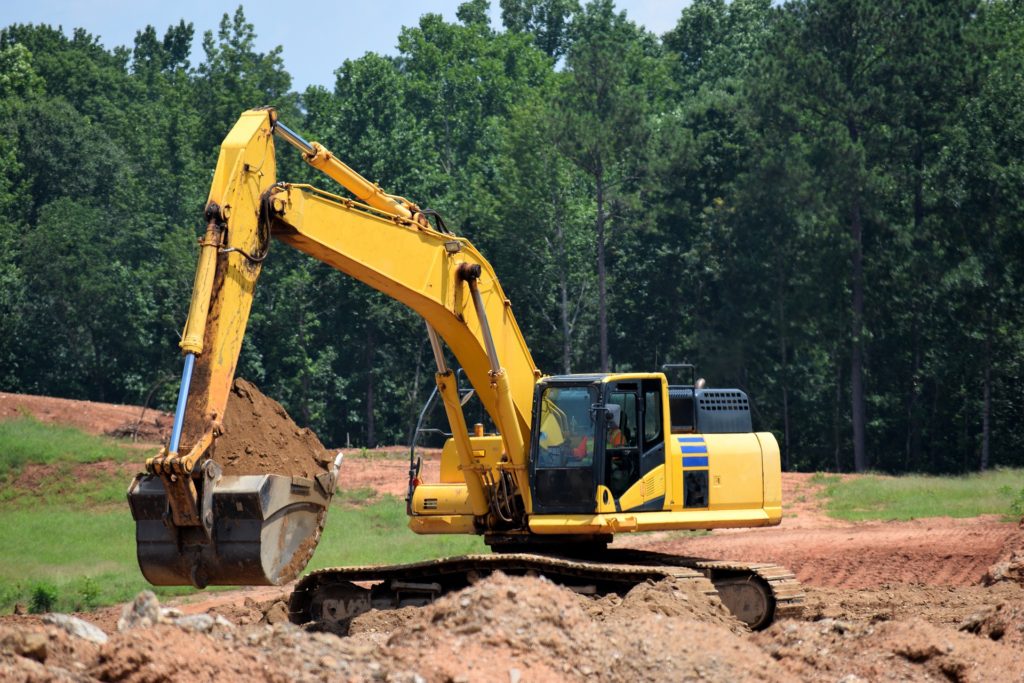
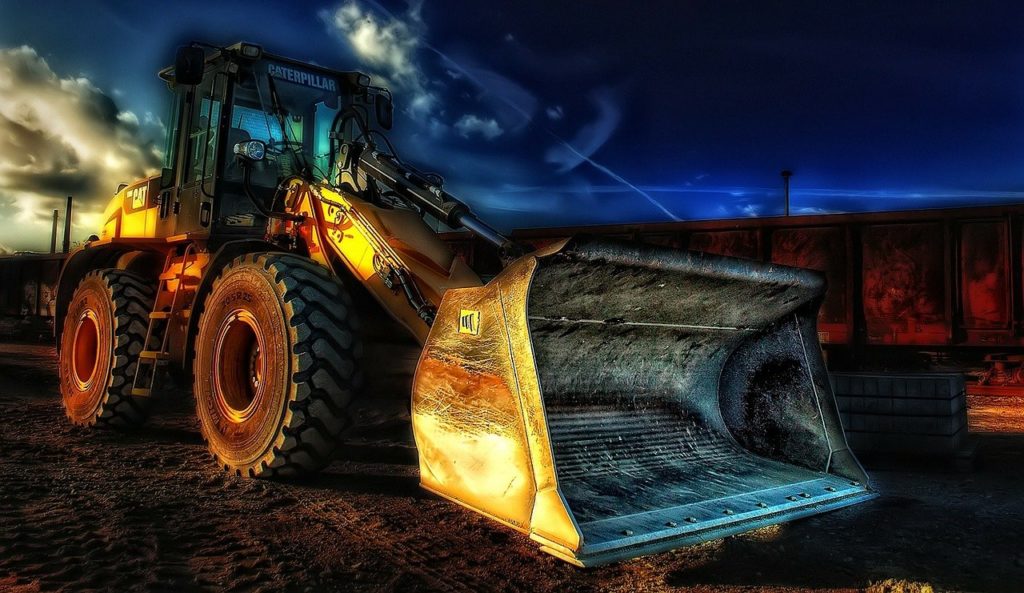
Charlotte’s major construction projects—from high-rise developments in Uptown to warehouse facilities along the I-85 corridor—require extensive use of cranes, excavators, bulldozers, forklifts, and other heavy equipment. These machines are essential to modern construction but create serious hazards when improperly operated, poorly maintained, or used without adequate safety protocols.
According to research published in the Journal of Safety Research, heavy equipment accidents involving backhoes and trucks account for approximately half of all construction equipment fatalities. Crane accidents, while less frequent, often result in multiple casualties and catastrophic injuries due to the massive forces involved.
Our crane accident lawyers handle cases involving:
- Crane collapses and tip-overs
- Dropped loads and rigging failures
- Contact with overhead power lines
- Operator error and inadequate training
- Mechanical failures and maintenance defects
- Crane assembly and disassembly accidents
Heavy equipment accidents may involve liability from multiple parties: the equipment operator, the operator’s employer, the equipment owner, maintenance contractors, and manufacturers of defective equipment or parts. We investigate every potential source of recovery.
OSHA Violations and Your Construction Accident Claim
When construction accidents occur, OSHA often investigates and may cite employers for safety violations. These citations carry significant weight in subsequent legal proceedings. An OSHA violation demonstrates that your employer failed to meet minimum federal safety standards—powerful evidence of negligence.
Common OSHA violations on Charlotte construction sites include:
- Fall protection violations (29 CFR 1926.501) – Failure to provide guardrails, safety nets, or personal fall arrest systems
- Scaffolding violations (29 CFR 1926.451) – Improperly erected, inspected, or maintained scaffolds
- Ladder safety violations (29 CFR 1926.1053) – Defective ladders, improper use, lack of training
- Excavation and trenching violations (29 CFR 1926.652) – Missing protective systems in trenches
- Electrical violations (29 CFR 1926.405) – Exposed wiring, missing GFCIs, inadequate grounding
- Hazard communication violations (29 CFR 1926.59) – Failure to warn workers about chemical hazards
Our OSHA violation construction accident claims attorneys obtain OSHA inspection reports, violation citations, and penalty records to strengthen your case. We also work with safety experts who can explain how specific violations caused or contributed to your injuries.
Workers’ Compensation vs. Third-Party Claims in North Carolina
Understanding the difference between workers’ compensation and third-party claims is essential for injured construction workers seeking maximum recovery.
North Carolina Workers’ Compensation Benefits
Under the North Carolina Workers’ Compensation Act, most employers with three or more employees must carry workers’ compensation insurance. This system provides no-fault coverage for workplace injuries, meaning you can receive benefits regardless of who caused your accident. However, workers’ compensation also limits your recovery:
- Medical benefits: Coverage for all reasonable and necessary medical treatment related to your injury
- Temporary total disability: Two-thirds of your average weekly wage while you cannot work (up to a maximum set by law)
- Permanent partial disability: Compensation based on your permanent impairment rating
- Permanent total disability: Ongoing benefits if you cannot return to any gainful employment
- Death benefits: Compensation for surviving dependents if a worker dies from job-related injuries
Importantly, workers’ compensation does NOT provide compensation for pain and suffering, emotional distress, loss of enjoyment of life, or full lost wages. You also generally cannot sue your employer directly for a workplace injury—the exclusive remedy doctrine bars such claims.
Our workers’ compensation lawyers help injured construction workers obtain every benefit they’re entitled to under the NC Workers’ Compensation Act, including fighting denied claims and appealing unfavorable decisions to the North Carolina Industrial Commission.
Third-Party Construction Accident Claims
While you generally cannot sue your employer, North Carolina law (N.C.G.S. § 97-10.2) allows injured workers to pursue personal injury claims against negligent third parties. On construction sites, potential third-party defendants include:
- General contractors: If you work for a subcontractor, the general contractor may be liable for site safety
- Other subcontractors: Workers from other trades whose negligence caused your injury
- Property owners: Owners who failed to maintain safe premises or warn of known hazards
- Equipment manufacturers: Companies that designed or manufactured defective tools, machinery, or safety equipment
- Equipment rental companies: Companies that rented poorly maintained or defective equipment
- Architects and engineers: Professionals whose design errors created dangerous conditions
- Safety consultants: Companies hired to ensure site safety who failed in that duty
Third-party claims allow you to recover damages not available through workers’ compensation, including compensation for pain and suffering, emotional distress, full lost wages, loss of earning capacity, and loss of enjoyment of life. These claims often result in significantly higher total compensation than workers’ compensation alone.
Our third-party construction accident claims attorneys thoroughly investigate every accident to identify all potentially liable parties and maximize your recovery.
Common Construction Accident Injuries We Handle
Construction accidents frequently cause severe, life-altering injuries. The physical demands of construction work and the dangerous conditions present on job sites mean that when accidents occur, the consequences are often catastrophic.
Traumatic Brain Injuries
Falls, struck-by accidents, and equipment incidents can cause traumatic brain injuries (TBI) ranging from mild concussions to severe brain damage. Even with hard hat protection, workers can suffer devastating head injuries. Symptoms may not appear immediately, making prompt medical evaluation essential. Our traumatic brain injury lawyers understand the long-term impact of TBI and fight for compensation that accounts for future medical needs, cognitive rehabilitation, and diminished earning capacity.
Spinal Cord Injuries and Paralysis
Falls from heights, heavy equipment accidents, and caught-between incidents can damage the spinal cord, potentially causing partial or complete paralysis. These injuries typically require extensive medical treatment, long-term rehabilitation, assistive devices, home modifications, and ongoing care. Our catastrophic injury attorneys work with medical experts and life care planners to document the full cost of spinal cord injuries.
Amputations
Construction workers may lose limbs in caught-between accidents, heavy equipment incidents, or when body parts contact unguarded machinery. Traumatic amputations require emergency medical care, surgeries, prosthetics, physical therapy, and psychological counseling. Amputation victims often cannot return to construction work and face permanent limitations on employment options.
Severe Burns
Electrocution, chemical exposure, explosions, and fires cause severe burns that may require skin grafts, extensive hospitalization, and long-term wound care. Burn injuries often result in permanent scarring and disfigurement, chronic pain, and psychological trauma.
Multiple Fractures and Orthopedic Injuries
Falls, struck-by accidents, and equipment incidents commonly cause broken bones, joint damage, and soft tissue injuries. Severe fractures may require surgical repair with hardware implantation, extended immobilization, and months of physical therapy. Some fractures never heal properly, leaving workers with permanent pain and limitations.
Construction Accident Wrongful Death
When construction accidents prove fatal, surviving family members may pursue wrongful death claims under N.C.G.S. § 28A-18-2. These claims can provide compensation for medical expenses incurred before death, funeral and burial costs, lost income the deceased would have earned, loss of services and companionship, and conscious pain and suffering before death. Our wrongful death lawyers help grieving families pursue justice while they focus on healing.
Charlotte’s Construction Boom: Local Projects and Safety Concerns
Charlotte’s skyline continues to transform. The Charlotte metropolitan area currently ranks among the nation’s most active construction markets, with development concentrated in several key areas:
Uptown Charlotte: High-rise residential and mixed-use developments continue reshaping the urban core. Projects like the 287-unit Cordo development in Optimist Park recently completed major construction milestones. These dense urban projects present unique safety challenges including limited staging areas, pedestrian traffic, and work at significant heights.
Charlotte Douglas International Airport: The Federal Aviation Administration allocated $43 million in Bipartisan Infrastructure Law funding for construction of a 6,400-foot end-around taxiway at Runway 18C. Airport construction involves unique hazards including active aircraft operations, jet blast, and restricted access areas.
Industrial and Warehouse Development: The I-77 North and I-85 corridors continue attracting major industrial projects. The 733,830-square-foot Bryton Commerce Center and 594,300-square-foot Landis Ridge Industrial Park represent the scale of warehouse construction currently underway. These projects involve extensive excavation, heavy equipment operations, and tilt-up concrete construction.
Infrastructure Improvements: The North Carolina Department of Transportation awarded more than $3.1 billion in construction and maintenance contracts statewide. Charlotte-area highway projects, bridge replacements, and transit expansions create additional construction zones where workers face traffic hazards alongside traditional construction risks.
Nationally, the construction industry faces a shortage of more than 500,000 skilled workers according to the Associated Builders and Contractors. This labor shortage can pressure contractors to accelerate schedules, reduce training, and cut corners on safety—increasing risks for workers on Charlotte job sites.
What To Do After a Construction Accident in Charlotte
The actions you take immediately after a construction accident significantly impact your ability to recover compensation. Follow these steps to protect your health and your legal rights:
1. Seek immediate medical attention. Your health is the top priority. Many construction injuries—including traumatic brain injuries, internal bleeding, and spinal damage—may not show immediate symptoms. Get evaluated by medical professionals even if you feel fine. Medical documentation also creates essential evidence for your claim.
2. Report the accident to your employer. North Carolina law requires workers to report injuries to their employer within 30 days to preserve workers’ compensation rights. Report verbally and in writing, keeping a copy for your records. Be factual and complete—describe what happened without speculating about fault.
3. Document everything possible. If you’re able, photograph the accident scene, any equipment involved, safety conditions (or lack thereof), your injuries, and anything else relevant. Collect names and contact information for witnesses. Note the date, time, weather conditions, and exactly where the accident occurred.
4. Preserve evidence. Don’t alter, repair, or dispose of any equipment, tools, or materials involved in the accident. Ask witnesses to write down what they saw while memories are fresh. Request copies of any incident reports your employer creates.
5. Don’t give recorded statements to insurance companies. Insurance adjusters for your employer’s workers’ comp carrier or for third parties may contact you quickly. They may seem friendly, but their job is to minimize what their company pays. Politely decline to give recorded statements until you’ve consulted with an attorney.
6. Contact a construction accident lawyer promptly. North Carolina’s statute of limitations gives you limited time to file claims. Workers’ compensation claims must be filed within two years of injury. Personal injury claims against third parties must generally be filed within three years. However, evidence disappears quickly on construction sites—scaffolding comes down, equipment gets moved, witnesses leave for other projects. The sooner you engage experienced legal counsel, the stronger your case will be.
How Our Charlotte Construction Accident Lawyers Can Help
The Charlotte NC Car Accident Lawyers Group has represented injured construction workers throughout the Charlotte metropolitan area for more than 33 years. Our founding attorney, Steve Hayes, began practicing law in Charlotte in 1991 with an emphasis on personal injury and workers’ compensation litigation. He has represented countless people injured in construction accidents, including wrongful death and catastrophic injury cases.
When you hire our firm, we:
Investigate thoroughly. We visit accident scenes, photograph conditions, interview witnesses, obtain OSHA reports, subpoena safety records, and work with expert engineers and safety consultants to determine exactly what happened and who bears responsibility.
Identify all liable parties. Construction sites involve complex webs of contractors, subcontractors, equipment owners, and manufacturers. We identify every potential defendant and every available source of insurance coverage to maximize your recovery.
Handle your workers’ compensation claim. We ensure you receive all medical treatment you need and all disability benefits you’re entitled to under North Carolina law. We fight denied claims and appeal unfavorable decisions to the Industrial Commission.
Pursue third-party claims aggressively. When third parties bear responsibility for your injuries, we file personal injury lawsuits seeking full compensation including pain and suffering, emotional distress, and full lost wages—damages not available through workers’ comp alone.
Defeat contributory negligence defenses. North Carolina’s harsh contributory negligence rule requires careful case preparation. We build cases designed to establish that our clients bear no fault for their injuries, and we’re prepared to argue the “last clear chance” doctrine when defendants had the final opportunity to prevent the accident.
Calculate your full damages. Construction injuries often have lifelong consequences. We work with economists, vocational experts, and life care planners to document the full cost of your injuries—not just current medical bills, but future medical needs, lost earning capacity, and diminished quality of life.
Our Construction Accident Practice Areas
We handle all types of construction accident cases throughout the Charlotte area, including:
- Scaffold Fall Accidents
- Ladder Fall Accidents
- Roof Fall Construction Accidents
- Construction Electrocution Accidents
- Struck-By Object Accidents
- Caught-Between Equipment Accidents
- Trench Collapse Accidents
- Crane Accidents
- OSHA Violation Construction Accident Claims
- Third-Party Construction Accident Claims
Frequently Asked Questions About Charlotte Construction Accidents
How much does it cost to hire a Charlotte construction accident lawyer?
We handle construction accident cases on a contingency fee basis. You pay nothing upfront and owe no attorney fees unless we recover compensation for you. This arrangement ensures that quality legal representation is accessible regardless of your financial situation.
Can I sue my employer if I was injured on a construction site?
Generally, no. North Carolina’s workers’ compensation exclusive remedy doctrine prevents employees from suing their employers for workplace injuries. However, you can file a workers’ compensation claim for medical benefits and disability payments. Additionally, you may be able to sue third parties—such as general contractors, other subcontractors, equipment manufacturers, or property owners—whose negligence caused your injury.
What is the difference between workers’ compensation and a personal injury lawsuit?
Workers’ compensation is a no-fault system that provides medical benefits and partial wage replacement regardless of who caused your accident. However, it does not compensate for pain and suffering. Personal injury lawsuits against third parties require proving negligence but allow recovery of full damages including pain and suffering, emotional distress, and complete lost wages. Many construction accident victims pursue both types of claims simultaneously.
How long do I have to file a construction accident claim in North Carolina?
For workers’ compensation claims, you must report your injury to your employer within 30 days and file a claim with the North Carolina Industrial Commission within two years of your injury. For personal injury claims against third parties, North Carolina’s statute of limitations is generally three years from the date of injury. For wrongful death claims, the two-year statute of limitations runs from the date of death. Contact an attorney promptly—evidence disappears quickly on construction sites.
What if I was partially at fault for my construction accident?
North Carolina follows the contributory negligence doctrine, one of the harshest negligence standards in the country. If you bear any fault for your accident—even 1%—you may be completely barred from recovering damages in a personal injury lawsuit. However, this rule applies only to third-party claims, not workers’ compensation. Additionally, the “last clear chance” doctrine may allow recovery if the defendant had the final opportunity to prevent the accident. An experienced construction accident attorney can evaluate whether contributory negligence applies to your case.
What damages can I recover after a construction accident?
Through workers’ compensation, you can recover medical expenses and partial lost wages (typically two-thirds of your average weekly wage up to a statutory maximum). Through third-party personal injury claims, you may recover additional damages including full lost wages, loss of future earning capacity, pain and suffering, emotional distress, loss of enjoyment of life, and in some cases, punitive damages.
Should I accept the insurance company’s settlement offer?
Never accept any settlement offer without first consulting with a construction accident attorney. Insurance companies often make early settlement offers hoping injured workers will accept before understanding the full extent of their injuries and damages. Once you accept a settlement, you typically cannot pursue additional compensation later—even if your injuries prove more serious than initially apparent. An experienced attorney can evaluate whether an offer is fair based on your specific circumstances.
How long will my construction accident case take?
Timeline varies significantly based on the complexity of your case, severity of your injuries, and whether the case settles or goes to trial. Simple workers’ compensation claims may resolve in months. Complex third-party cases involving multiple defendants and catastrophic injuries may take several years. Throughout the process, we keep you informed of progress and never pressure you to accept an inadequate settlement just to close the case quickly.
What should I do if my workers’ compensation claim is denied?
Workers’ compensation denials are common but often can be overturned on appeal. Insurance companies deny claims for various reasons—sometimes legitimate, sometimes not. If your claim is denied, contact a workers’ compensation attorney immediately. We can review the denial, gather additional evidence, and appeal to the North Carolina Industrial Commission. Don’t assume a denial means you have no claim.
Can I choose my own doctor for a construction injury?
In North Carolina workers’ compensation cases, your employer typically has the right to direct your medical treatment. However, you can request a change of physician if you’re dissatisfied with your care. For injuries covered by third-party claims, you generally have more freedom to choose your own medical providers. We can help you navigate these rules to ensure you receive appropriate treatment from qualified physicians.
Understanding North Carolina’s Contributory Negligence Rule in Construction Cases
North Carolina is one of only four states (along with Alabama, Maryland, and Virginia, plus the District of Columbia) that still follows the pure contributory negligence doctrine. This rule can devastate otherwise valid construction accident claims if not properly addressed.
Under contributory negligence, if a plaintiff bears any fault whatsoever for their injury—even 1%—they are completely barred from recovering damages. Defense attorneys and insurance companies aggressively search for evidence that injured workers contributed to their accidents. Common contributory negligence arguments in construction cases include:
- Failure to use provided safety equipment: Not wearing a hard hat, safety harness, or other PPE
- Ignoring safety rules: Working outside designated areas or violating established protocols
- Improper equipment use: Operating machinery without training or authorization
- Failure to inspect: Not checking equipment or conditions before starting work
- Distraction or inattention: Using phones, horseplay, or not watching surroundings
- Intoxication: Working under the influence of alcohol or drugs
However, contributory negligence is not absolute.…