construction accident lawyer

Construction accident lawyers in Charlotte NC

Charlotte Construction Accident Lawyers | Free Consultation | 980-239-2275

TLDR: Construction accidents in Charlotte cause devastating injuries including falls from scaffolding, electrocutions, crane accidents, and trench collapses. North Carolina’s contributory negligence rule makes legal representation critical—even 1% fault can bar your recovery. Beyond workers’ compensation, you may have third-party claims against equipment manufacturers, property owners, or subcontractors worth significantly more. The Charlotte NC Car Accident Lawyers Group has represented injured construction workers for 33+ years. Call 980-239-2275 for a free consultation.

Charlotte Construction Accident Lawyer

Charlotte’s construction industry is booming. With over 22,000 apartment units currently under construction, a $43 million Charlotte Douglas International Airport expansion underway, and the North Carolina Department of Transportation awarding more than $3.1 billion in construction contracts statewide, our city has become one of the most active construction markets in the nation. This growth creates jobs and economic opportunity—but it also creates danger.

Construction consistently ranks among the most hazardous industries in America. According to the Occupational Safety and Health Administration (OSHA), one in five worker fatalities nationwide occurs in construction. In North Carolina specifically, the Bureau of Labor Statistics reports that construction accounts for the highest number of workplace fatalities, with slip, fall, and trip accidents being the leading cause of death.

If you or a loved one has been injured on a Charlotte construction site, the legal path forward involves complex questions about workers’ compensation benefits, potential third-party liability claims, OSHA violations, and North Carolina’s strict contributory negligence doctrine. The Charlotte NC Car Accident Lawyers Group has represented injured construction workers throughout the Charlotte metropolitan area for more than three decades. We understand the unique challenges these cases present and fight to secure every dollar of compensation our clients deserve.

Charlotte construction accident lawyer consulting with injured worker about OSHA violation claim and third-party liability options
Our Charlotte construction accident lawyers have helped injured workers recover compensation for over 33 years.

Why Charlotte Construction Workers Need Specialized Legal Representation

Construction accident cases differ fundamentally from other personal injury claims. Multiple contractors, subcontractors, equipment manufacturers, and property owners may share responsibility for a single accident. Workers’ compensation provides baseline benefits but severely limits what you can recover. Third-party claims offer the possibility of full compensation—including pain and suffering—but require proving negligence against parties other than your employer.

North Carolina’s contributory negligence rule adds another layer of complexity. Under this doctrine, if you bear even 1% responsibility for your accident, you may be completely barred from recovering damages in a personal injury lawsuit. Only four states still follow this harsh rule, and North Carolina is one of them. Insurance companies and defense attorneys will aggressively search for any evidence suggesting you contributed to your own injuries. Without experienced legal representation, injured workers often lose claims they should have won.

Our third-party construction accident claims attorneys understand how to navigate these obstacles. We investigate every potential source of recovery, document employer and contractor negligence, preserve critical evidence before it disappears, and build cases designed to overcome contributory negligence defenses.

The OSHA Fatal Four: Leading Causes of Construction Deaths

OSHA has identified four types of hazards responsible for approximately 60% of all construction worker fatalities each year. Understanding these “Fatal Four” hazards helps workers recognize dangers and helps attorneys identify liability when accidents occur.

Falls (36.5% of Construction Fatalities)

Falls remain the leading cause of death in the construction industry, accounting for more than one-third of all fatalities. Workers fall from scaffolding, ladders, roofs, elevated platforms, unfinished floors, and structural steel. Even falls from relatively low heights—six feet or less—can cause catastrophic injuries including traumatic brain injuries, spinal cord damage, and multiple fractures.

OSHA requires fall protection whenever construction workers operate six feet or more above a lower level. This includes guardrails, safety nets, and personal fall arrest systems. When employers fail to provide required fall protection, they violate federal safety standards—and that violation can serve as powerful evidence of negligence in your case.

Our firm handles all types of fall-related construction accidents:

Struck-By Accidents (8-15% of Construction Fatalities)

Struck-by accidents occur when workers are hit by falling objects, swinging loads, rolling equipment, or flying debris. On busy Charlotte construction sites where multiple trades work simultaneously, the risk of struck-by injuries increases dramatically. Common scenarios include tools falling from upper levels, crane loads swinging unexpectedly, materials rolling off elevated surfaces, and heavy equipment backing into workers.

OSHA requires employers to provide hard hats and other personal protective equipment, secure tools and materials at heights, establish exclusion zones around crane operations, and implement traffic control plans for equipment movement. When employers cut corners on these safety measures, workers pay the price.

Our struck-by object construction accident attorneys investigate whether proper safety protocols were followed and identify all potentially liable parties.

Electrocution (8% of Construction Fatalities)

Construction sites present numerous electrical hazards: overhead power lines, temporary wiring, unfinished electrical systems, and powered tools and equipment. Contact with electrical current can cause immediate death, severe burns, cardiac arrest, neurological damage, and internal organ injuries. Even non-fatal electrical injuries often result in permanent disability.

OSHA’s electrical safety standards require de-energizing circuits before work begins, maintaining safe distances from power lines, using ground-fault circuit interrupters (GFCIs), properly grounding equipment, and implementing lockout/tagout procedures. Our construction electrocution accident lawyers examine whether these standards were followed and whether your employer or other parties bear responsibility for your electrical injuries.

Caught-In/Between Accidents (5% of Construction Fatalities)

Caught-in or caught-between accidents occur when workers become trapped, crushed, or compressed between objects or machinery. The most common scenarios include trench collapses that bury workers, equipment rollovers that pin workers underneath, clothing or body parts pulled into unguarded machinery, and workers crushed between moving equipment and fixed structures.

OSHA reports that trench collapses alone resulted in 15 fatalities in 2023, though improved safety measures reduced that number to 12 in 2024. Trenches and excavations five feet or deeper require protective systems including sloping, shoring, or trench shields. Our trench collapse accident lawyers and caught-between equipment accident attorneys pursue claims against employers and contractors who fail to implement required protective measures.

Heavy Equipment and Crane Accidents on Charlotte Construction Sites

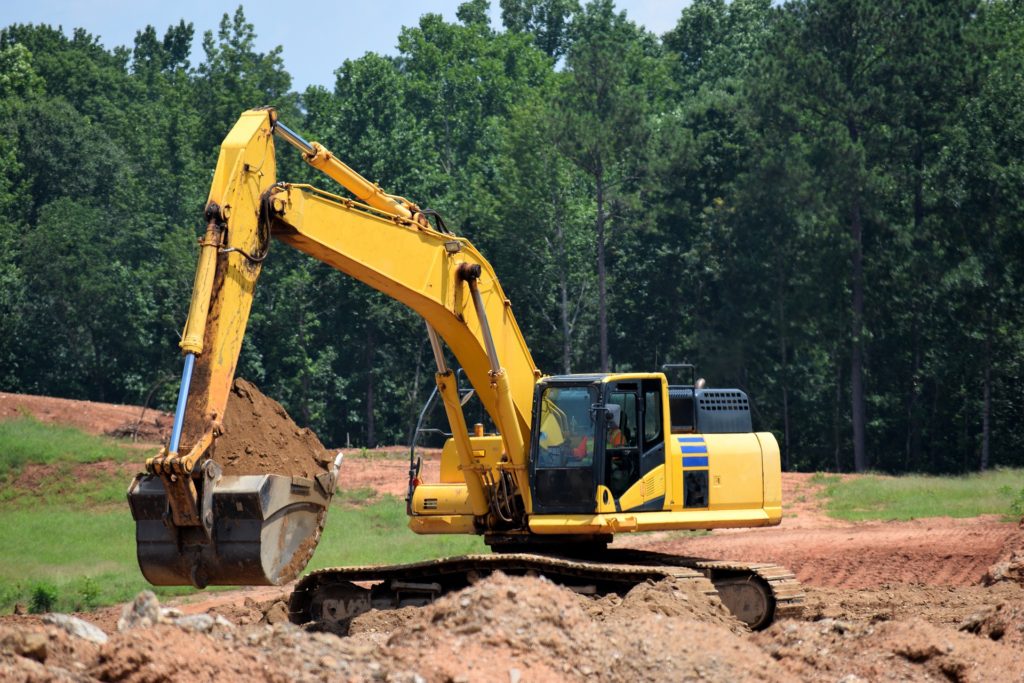
Charlotte’s major construction projects—from high-rise developments in Uptown to warehouse facilities along the I-85 corridor—require extensive use of cranes, excavators, bulldozers, forklifts, and other heavy equipment. These machines are essential to modern construction but create serious hazards when improperly operated, poorly maintained, or used without adequate safety protocols.

According to research published in the Journal of Safety Research, heavy equipment accidents involving backhoes and trucks account for approximately half of all construction equipment fatalities. Crane accidents, while less frequent, often result in multiple casualties and catastrophic injuries due to the massive forces involved.

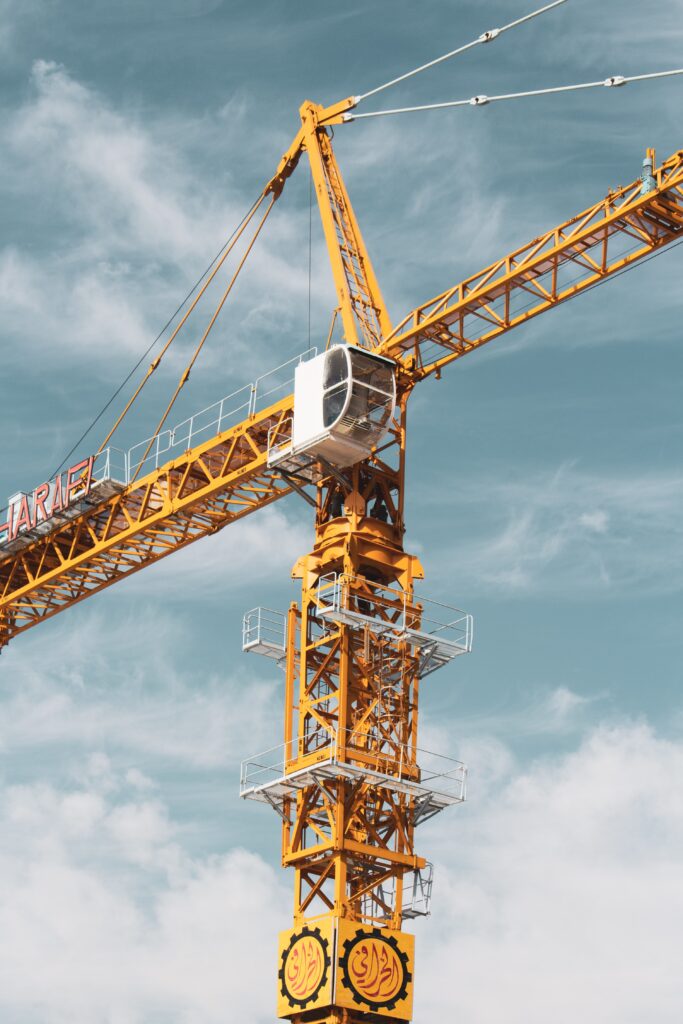
Our crane accident lawyers handle cases involving:

  • Crane collapses and tip-overs
  • Dropped loads and rigging failures
  • Contact with overhead power lines
  • Operator error and inadequate training
  • Mechanical failures and maintenance defects
  • Crane assembly and disassembly accidents

Heavy equipment accidents may involve liability from multiple parties: the equipment operator, the operator’s employer, the equipment owner, maintenance contractors, and manufacturers of defective equipment or parts. We investigate every potential source of recovery.

OSHA Violations and Your Construction Accident Claim

When construction accidents occur, OSHA often investigates and may cite employers for safety violations. These citations carry significant weight in subsequent legal proceedings. An OSHA violation demonstrates that your employer failed to meet minimum federal safety standards—powerful evidence of negligence.

Common OSHA violations on Charlotte construction sites include:

  • Fall protection violations (29 CFR 1926.501) – Failure to provide guardrails, safety nets, or personal fall arrest systems
  • Scaffolding violations (29 CFR 1926.451) – Improperly erected, inspected, or maintained scaffolds
  • Ladder safety violations (29 CFR 1926.1053) – Defective ladders, improper use, lack of training
  • Excavation and trenching violations (29 CFR 1926.652) – Missing protective systems in trenches
  • Electrical violations (29 CFR 1926.405) – Exposed wiring, missing GFCIs, inadequate grounding
  • Hazard communication violations (29 CFR 1926.59) – Failure to warn workers about chemical hazards

Our OSHA violation construction accident claims attorneys obtain OSHA inspection reports, violation citations, and penalty records to strengthen your case. We also work with safety experts who can explain how specific violations caused or contributed to your injuries.

Workers’ Compensation vs. Third-Party Claims in North Carolina

Understanding the difference between workers’ compensation and third-party claims is essential for injured construction workers seeking maximum recovery.

North Carolina Workers’ Compensation Benefits

Under the North Carolina Workers’ Compensation Act, most employers with three or more employees must carry workers’ compensation insurance. This system provides no-fault coverage for workplace injuries, meaning you can receive benefits regardless of who caused your accident. However, workers’ compensation also limits your recovery:

  • Medical benefits: Coverage for all reasonable and necessary medical treatment related to your injury
  • Temporary total disability: Two-thirds of your average weekly wage while you cannot work (up to a maximum set by law)
  • Permanent partial disability: Compensation based on your permanent impairment rating
  • Permanent total disability: Ongoing benefits if you cannot return to any gainful employment
  • Death benefits: Compensation for surviving dependents if a worker dies from job-related injuries

Importantly, workers’ compensation does NOT provide compensation for pain and suffering, emotional distress, loss of enjoyment of life, or full lost wages. You also generally cannot sue your employer directly for a workplace injury—the exclusive remedy doctrine bars such claims.

Our workers’ compensation lawyers help injured construction workers obtain every benefit they’re entitled to under the NC Workers’ Compensation Act, including fighting denied claims and appealing unfavorable decisions to the North Carolina Industrial Commission.

Third-Party Construction Accident Claims
While you generally cannot sue your employer, North Carolina law (N.C.G.S. § 97-10.2) allows injured workers to pursue personal injury claims against negligent third parties. On construction sites, potential third-party defendants include:

  • General contractors: If you work for a subcontractor, the general contractor may be liable for site safety
  • Other subcontractors: Workers from other trades whose negligence caused your injury
  • Property owners: Owners who failed to maintain safe premises or warn of known hazards
  • Equipment manufacturers: Companies that designed or manufactured defective tools, machinery, or safety equipment
  • Equipment rental companies: Companies that rented poorly maintained or defective equipment
  • Architects and engineers: Professionals whose design errors created dangerous conditions
  • Safety consultants: Companies hired to ensure site safety who failed in that duty

Third-party claims allow you to recover damages not available through workers’ compensation, including compensation for pain and suffering, emotional distress, full lost wages, loss of earning capacity, and loss of enjoyment of life. These claims often result in significantly higher total compensation than workers’ compensation alone.

Our third-party construction accident claims attorneys thoroughly investigate every accident to identify all potentially liable parties and maximize your recovery.

Common Construction Accident Injuries We Handle

Construction accidents frequently cause severe, life-altering injuries. The physical demands of construction work and the dangerous conditions present on job sites mean that when accidents occur, the consequences are often catastrophic.

Traumatic Brain Injuries

Falls, struck-by accidents, and equipment incidents can cause traumatic brain injuries (TBI) ranging from mild concussions to severe brain damage. Even with hard hat protection, workers can suffer devastating head injuries. Symptoms may not appear immediately, making prompt medical evaluation essential. Our traumatic brain injury lawyers understand the long-term impact of TBI and fight for compensation that accounts for future medical needs, cognitive rehabilitation, and diminished earning capacity.

Spinal Cord Injuries and Paralysis

Falls from heights, heavy equipment accidents, and caught-between incidents can damage the spinal cord, potentially causing partial or complete paralysis. These injuries typically require extensive medical treatment, long-term rehabilitation, assistive devices, home modifications, and ongoing care. Our catastrophic injury attorneys work with medical experts and life care planners to document the full cost of spinal cord injuries.

Amputations

Construction workers may lose limbs in caught-between accidents, heavy equipment incidents, or when body parts contact unguarded machinery. Traumatic amputations require emergency medical care, surgeries, prosthetics, physical therapy, and psychological counseling. Amputation victims often cannot return to construction work and face permanent limitations on employment options.

Severe Burns

Electrocution, chemical exposure, explosions, and fires cause severe burns that may require skin grafts, extensive hospitalization, and long-term wound care. Burn injuries often result in permanent scarring and disfigurement, chronic pain, and psychological trauma.

Multiple Fractures and Orthopedic Injuries

Falls, struck-by accidents, and equipment incidents commonly cause broken bones, joint damage, and soft tissue injuries. Severe fractures may require surgical repair with hardware implantation, extended immobilization, and months of physical therapy. Some fractures never heal properly, leaving workers with permanent pain and limitations.

Construction Accident Wrongful Death

When construction accidents prove fatal, surviving family members may pursue wrongful death claims under N.C.G.S. § 28A-18-2. These claims can provide compensation for medical expenses incurred before death, funeral and burial costs, lost income the deceased would have earned, loss of services and companionship, and conscious pain and suffering before death. Our wrongful death lawyers help grieving families pursue justice while they focus on healing.

Charlotte’s Construction Boom: Local Projects and Safety Concerns

Charlotte’s skyline continues to transform. The Charlotte metropolitan area currently ranks among the nation’s most active construction markets, with development concentrated in several key areas:

Uptown Charlotte: High-rise residential and mixed-use developments continue reshaping the urban core. Projects like the 287-unit Cordo development in Optimist Park recently completed major construction milestones. These dense urban projects present unique safety challenges including limited staging areas, pedestrian traffic, and work at significant heights.

Charlotte Douglas International Airport: The Federal Aviation Administration allocated $43 million in Bipartisan Infrastructure Law funding for construction of a 6,400-foot end-around taxiway at Runway 18C. Airport construction involves unique hazards including active aircraft operations, jet blast, and restricted access areas.

Industrial and Warehouse Development: The I-77 North and I-85 corridors continue attracting major industrial projects. The 733,830-square-foot Bryton Commerce Center and 594,300-square-foot Landis Ridge Industrial Park represent the scale of warehouse construction currently underway. These projects involve extensive excavation, heavy equipment operations, and tilt-up concrete construction.

Infrastructure Improvements: The North Carolina Department of Transportation awarded more than $3.1 billion in construction and maintenance contracts statewide. Charlotte-area highway projects, bridge replacements, and transit expansions create additional construction zones where workers face traffic hazards alongside traditional construction risks.

Nationally, the construction industry faces a shortage of more than 500,000 skilled workers according to the Associated Builders and Contractors. This labor shortage can pressure contractors to accelerate schedules, reduce training, and cut corners on safety—increasing risks for workers on Charlotte job sites.

What To Do After a Construction Accident in Charlotte

The actions you take immediately after a construction accident significantly impact your ability to recover compensation. Follow these steps to protect your health and your legal rights:

1. Seek immediate medical attention. Your health is the top priority. Many construction injuries—including traumatic brain injuries, internal bleeding, and spinal damage—may not show immediate symptoms. Get evaluated by medical professionals even if you feel fine. Medical documentation also creates essential evidence for your claim.

2. Report the accident to your employer. North Carolina law requires workers to report injuries to their employer within 30 days to preserve workers’ compensation rights. Report verbally and in writing, keeping a copy for your records. Be factual and complete—describe what happened without speculating about fault.

3. Document everything possible. If you’re able, photograph the accident scene, any equipment involved, safety conditions (or lack thereof), your injuries, and anything else relevant. Collect names and contact information for witnesses. Note the date, time, weather conditions, and exactly where the accident occurred.

4. Preserve evidence. Don’t alter, repair, or dispose of any equipment, tools, or materials involved in the accident. Ask witnesses to write down what they saw while memories are fresh. Request copies of any incident reports your employer creates.

5. Don’t give recorded statements to insurance companies. Insurance adjusters for your employer’s workers’ comp carrier or for third parties may contact you quickly. They may seem friendly, but their job is to minimize what their company pays. Politely decline to give recorded statements until you’ve consulted with an attorney.

6. Contact a construction accident lawyer promptly. North Carolina’s statute of limitations gives you limited time to file claims. Workers’ compensation claims must be filed within two years of injury. Personal injury claims against third parties must generally be filed within three years. However, evidence disappears quickly on construction sites—scaffolding comes down, equipment gets moved, witnesses leave for other projects. The sooner you engage experienced legal counsel, the stronger your case will be.

How Our Charlotte Construction Accident Lawyers Can Help

The Charlotte NC Car Accident Lawyers Group has represented injured construction workers throughout the Charlotte metropolitan area for more than 33 years. Our founding attorney, Steve Hayes, began practicing law in Charlotte in 1991 with an emphasis on personal injury and workers’ compensation litigation. He has represented countless people injured in construction accidents, including wrongful death and catastrophic injury cases.

When you hire our firm, we:

Investigate thoroughly. We visit accident scenes, photograph conditions, interview witnesses, obtain OSHA reports, subpoena safety records, and work with expert engineers and safety consultants to determine exactly what happened and who bears responsibility.

Identify all liable parties. Construction sites involve complex webs of contractors, subcontractors, equipment owners, and manufacturers. We identify every potential defendant and every available source of insurance coverage to maximize your recovery.

Handle your workers’ compensation claim. We ensure you receive all medical treatment you need and all disability benefits you’re entitled to under North Carolina law. We fight denied claims and appeal unfavorable decisions to the Industrial Commission.

Pursue third-party claims aggressively. When third parties bear responsibility for your injuries, we file personal injury lawsuits seeking full compensation including pain and suffering, emotional distress, and full lost wages—damages not available through workers’ comp alone.

Defeat contributory negligence defenses. North Carolina’s harsh contributory negligence rule requires careful case preparation. We build cases designed to establish that our clients bear no fault for their injuries, and we’re prepared to argue the “last clear chance” doctrine when defendants had the final opportunity to prevent the accident.

Calculate your full damages. Construction injuries often have lifelong consequences. We work with economists, vocational experts, and life care planners to document the full cost of your injuries—not just current medical bills, but future medical needs, lost earning capacity, and diminished quality of life.

Our Construction Accident Practice Areas

We handle all types of construction accident cases throughout the Charlotte area, including:

Construction site safety hazards in Charlotte - experienced attorneys help workers injured in scaffold falls, electrocutions, crane accidents, and OSHA violations
Construction accidents from OSHA Fatal Four hazards cause devastating injuries. Call 980-239-2275 for a free consultation.

Frequently Asked Questions About Charlotte Construction Accidents

How much does it cost to hire a Charlotte construction accident lawyer?

We handle construction accident cases on a contingency fee basis. You pay nothing upfront and owe no attorney fees unless we recover compensation for you. This arrangement ensures that quality legal representation is accessible regardless of your financial situation.

Can I sue my employer if I was injured on a construction site?

Generally, no. North Carolina’s workers’ compensation exclusive remedy doctrine prevents employees from suing their employers for workplace injuries. However, you can file a workers’ compensation claim for medical benefits and disability payments. Additionally, you may be able to sue third parties—such as general contractors, other subcontractors, equipment manufacturers, or property owners—whose negligence caused your injury.

What is the difference between workers’ compensation and a personal injury lawsuit?

Workers’ compensation is a no-fault system that provides medical benefits and partial wage replacement regardless of who caused your accident. However, it does not compensate for pain and suffering. Personal injury lawsuits against third parties require proving negligence but allow recovery of full damages including pain and suffering, emotional distress, and complete lost wages. Many construction accident victims pursue both types of claims simultaneously.

How long do I have to file a construction accident claim in North Carolina?

For workers’ compensation claims, you must report your injury to your employer within 30 days and file a claim with the North Carolina Industrial Commission within two years of your injury. For personal injury claims against third parties, North Carolina’s statute of limitations is generally three years from the date of injury. For wrongful death claims, the two-year statute of limitations runs from the date of death. Contact an attorney promptly—evidence disappears quickly on construction sites.

What if I was partially at fault for my construction accident?

North Carolina follows the contributory negligence doctrine, one of the harshest negligence standards in the country. If you bear any fault for your accident—even 1%—you may be completely barred from recovering damages in a personal injury lawsuit. However, this rule applies only to third-party claims, not workers’ compensation. Additionally, the “last clear chance” doctrine may allow recovery if the defendant had the final opportunity to prevent the accident. An experienced construction accident attorney can evaluate whether contributory negligence applies to your case.

What damages can I recover after a construction accident?

Through workers’ compensation, you can recover medical expenses and partial lost wages (typically two-thirds of your average weekly wage up to a statutory maximum). Through third-party personal injury claims, you may recover additional damages including full lost wages, loss of future earning capacity, pain and suffering, emotional distress, loss of enjoyment of life, and in some cases, punitive damages.

Should I accept the insurance company’s settlement offer?

Never accept any settlement offer without first consulting with a construction accident attorney. Insurance companies often make early settlement offers hoping injured workers will accept before understanding the full extent of their injuries and damages. Once you accept a settlement, you typically cannot pursue additional compensation later—even if your injuries prove more serious than initially apparent. An experienced attorney can evaluate whether an offer is fair based on your specific circumstances.

How long will my construction accident case take?

Timeline varies significantly based on the complexity of your case, severity of your injuries, and whether the case settles or goes to trial. Simple workers’ compensation claims may resolve in months. Complex third-party cases involving multiple defendants and catastrophic injuries may take several years. Throughout the process, we keep you informed of progress and never pressure you to accept an inadequate settlement just to close the case quickly.

What should I do if my workers’ compensation claim is denied?

Workers’ compensation denials are common but often can be overturned on appeal. Insurance companies deny claims for various reasons—sometimes legitimate, sometimes not. If your claim is denied, contact a workers’ compensation attorney immediately. We can review the denial, gather additional evidence, and appeal to the North Carolina Industrial Commission. Don’t assume a denial means you have no claim.

Can I choose my own doctor for a construction injury?

In North Carolina workers’ compensation cases, your employer typically has the right to direct your medical treatment. However, you can request a change of physician if you’re dissatisfied with your care. For injuries covered by third-party claims, you generally have more freedom to choose your own medical providers. We can help you navigate these rules to ensure you receive appropriate treatment from qualified physicians.

Understanding North Carolina’s Contributory Negligence Rule in Construction Cases

North Carolina is one of only four states (along with Alabama, Maryland, and Virginia, plus the District of Columbia) that still follows the pure contributory negligence doctrine. This rule can devastate otherwise valid construction accident claims if not properly addressed.

Under contributory negligence, if a plaintiff bears any fault whatsoever for their injury—even 1%—they are completely barred from recovering damages. Defense attorneys and insurance companies aggressively search for evidence that injured workers contributed to their accidents. Common contributory negligence arguments in construction cases include:

  • Failure to use provided safety equipment: Not wearing a hard hat, safety harness, or other PPE
  • Ignoring safety rules: Working outside designated areas or violating established protocols
  • Improper equipment use: Operating machinery without training or authorization
  • Failure to inspect: Not checking equipment or conditions before starting work
  • Distraction or inattention: Using phones, horseplay, or not watching surroundings
  • Intoxication: Working under the influence of alcohol or drugs

However, contributory negligence is not absolute.…

Charlotte attorney discussing NC Workers Compensation Benefits.

NC Workers Compensation Benefits Guide

NC Workers’ Compensation Benefits Guide

Reviewed by: Steve Hayes, JD – North Carolina Workers’ Compensation Attorney
Last Updated: December 2025

nc workers' compensation benefits guide

Key Takeaways

  • Medical benefits cover 100% of reasonable treatment with no out-of-pocket costs
  • Wage replacement pays 66.67% of your average weekly wage up to $1,254/week in 2025
  • Disability benefits include temporary total, temporary partial, permanent partial, and permanent total
  • Vocational rehabilitation available if you cannot return to your previous job
  • Death benefits provide up to $10,000 burial expenses plus weekly payments to dependents
  • Free consultation – Call 980-239-2275 to maximize your benefits

What Is Average Weekly Wage (AWW)?

Your average weekly wage is calculated by dividing your total earnings from the 52 weeks before your injury by 52. This figure determines your weekly compensation rate, which is 66.67% of your AWW up to the state maximum. Overtime, bonuses, and employer-provided benefits may be included in this calculation.

What Is Maximum Medical Improvement (MMI)?

Maximum medical improvement is the point when your condition has stabilized and further medical treatment is unlikely to significantly improve your recovery. At MMI, your doctor assigns a permanent impairment rating that determines your permanent partial disability benefits under NC workers’ compensation law.

Understanding your workers’ compensation benefits is essential to receiving full compensation for a workplace injury. North Carolina provides four categories of benefits: medical treatment, wage replacement, disability payments, and vocational rehabilitation. Our Charlotte workers compensation lawyers help injured workers maximize their benefits under NC General Statute Chapter 97.

2025 NC Workers’ Compensation Benefit Rates

Benefit Type Calculation 2025 Limits
Temporary Total Disability 66.67% of AWW Max $1,254/week
Temporary Partial Disability 66.67% of wage difference Max $1,254/week
Permanent Partial Disability 66.67% of AWW × weeks Per injury schedule
Permanent Total Disability 66.67% of AWW Lifetime benefits
Death Benefits 66.67% of AWW 500 weeks to dependents

Source: NC Industrial Commission 2025 Rate Schedule

Medical Benefits Under NC Workers’ Compensation

Workers’ compensation covers all reasonable and necessary medical treatment for your work injury. This includes emergency care, hospitalization, surgery, prescription medications, physical therapy, chiropractic care, and medical devices like wheelchairs or prosthetics. Your employer or insurance carrier selects your treating physician, but you can request a change through the NC Industrial Commission if dissatisfied. Medical benefits continue as long as treatment is necessary—potentially for life with serious injuries. Learn about workplace injuries that qualify for these benefits.

Wage Replacement Benefits

If your injury prevents you from working, you receive wage replacement at 66.67% of your average weekly wage. The 2025 maximum is $1,254 per week and the minimum is $30. Benefits begin after a 7-day waiting period, which becomes retroactive if your disability exceeds 21 days. These temporary total disability (TTD) benefits continue until you return to work or reach maximum medical improvement (MMI). If your claim is denied by the insurer, our attorneys can help you appeal.

Disability Benefit Categories

NC workers’ comp recognizes four disability types. Temporary Total Disability (TTD) applies when you cannot work at all during recovery. Temporary Partial Disability (TPD) applies when you can work light duty at reduced wages—you receive 66.67% of the difference between your pre-injury and current wages. Permanent Partial Disability (PPD) provides compensation for lasting impairment after reaching MMI. Permanent Total Disability (PTD) provides lifetime benefits when you cannot return to any type of gainful employment.

Permanent Disability Ratings and Schedules

After reaching MMI, your doctor assigns a permanent impairment rating. NC uses a statutory schedule assigning specific weeks of compensation per body part. For example, loss of an arm equals 240 weeks, a leg equals 200 weeks, and a hand equals 200 weeks at your compensation rate. Unscheduled injuries affecting the back, head, neck, or internal organs are calculated based on your lost wage-earning capacity rather than a fixed schedule.

Vocational Rehabilitation Services

Under NC G.S. § 97-32.2, workers whose post-injury earning capacity is less than 75% of pre-injury wages may qualify for vocational rehabilitation. Services include job placement assistance, skills assessment, retraining programs, resume preparation, and education at community colleges or vocational schools. The insurance carrier typically pays for these services to help you return to suitable employment.

Death Benefits for Surviving Family Members

When a worker dies from a job-related injury or occupational disease, surviving dependents receive death benefits. NC provides burial expenses up to $10,000 and weekly benefits at 66.67% of the deceased worker’s average weekly wage for up to 500 weeks to eligible dependents. Our wrongful death lawyers help families pursue both workers’ comp death benefits and potential third-party claims against negligent parties.

Related Workers’ Compensation Resources

Learn more about your workers’ compensation rights with these guides from our Charlotte work injury attorneys:

Frequently Asked Questions

How much does workers’ comp pay in North Carolina?

NC workers’ compensation pays 66.67% of your average weekly wage for disability benefits, up to the 2025 maximum of $1,254 per week. Medical benefits cover 100% of reasonable and necessary treatment costs with no out-of-pocket expenses or copays for injured workers.

How long do workers’ comp benefits last in NC?

Medical benefits continue as long as treatment remains reasonably necessary—potentially for life with serious injuries. Wage replacement duration varies by disability type: TTD continues until you return to work or reach MMI, while PPD is paid for scheduled weeks based on your impairment rating.

What is maximum medical improvement in workers’ comp?

Maximum medical improvement (MMI) is the point when your condition has stabilized and additional medical treatment is unlikely to significantly improve your recovery. At MMI, your treating physician assigns a permanent impairment rating that determines your permanent partial disability benefit amount.

Can I receive workers’ comp and Social Security disability together?

Yes, you can receive both benefits simultaneously. However, your combined workers’ comp and Social Security disability benefits cannot exceed 80% of your pre-injury average weekly wage. If they do, your Social Security payments may be reduced through an offset.

What if my employer disputes my disability rating?

You can request an independent medical examination (IME) from a physician of your choice. If you disagree with the insurer’s rating, file a Form 33 to request a hearing before the NC Industrial Commission. Our attorneys regularly help workers obtain fair disability ratings.

How is my average weekly wage calculated for workers’ comp?

Your average weekly wage is typically calculated by dividing your total earnings from the 52 weeks before your injury by 52. This includes regular wages, overtime, bonuses, and the value of employer-provided benefits like housing or vehicles. The calculation can be adjusted if 52 weeks isn’t representative.

What medical treatment does workers’ comp cover?

Workers’ comp covers all reasonable and necessary medical treatment including emergency room visits, hospitalization, surgery, doctor visits, prescription medications, physical therapy, chiropractic care, mental health counseling related to your injury, and medical equipment like braces, wheelchairs, or prosthetics.

Can I choose my own doctor for a work injury?

In NC, your employer or their insurance carrier initially selects your treating physician. However, you can request a change of physician through the NC Industrial Commission if you’re dissatisfied with your care. Emergency treatment is always covered regardless of which hospital you visit.

What happens if I can’t return to my old job after injury?

If your injury prevents returning to your previous position, you may qualify for vocational rehabilitation services including job placement, skills training, and education. You also continue receiving disability benefits while participating in approved rehabilitation programs to prepare for new employment.

Do I get paid for the first week I miss work?

There is a 7-day waiting period before wage replacement benefits begin. However, if your disability extends beyond 21 days, the waiting period becomes retroactive and you receive compensation for those first 7 days. Medical benefits have no waiting period and begin immediately.

Contact Our Charlotte Workers Compensation Lawyers

If you’ve been injured at work in Charlotte, Matthews, Huntersville, Pineville, or anywhere in Mecklenburg County, our experienced attorneys can help you get the benefits you deserve. We offer free consultations and work on a contingency fee basis—you pay nothing unless we recover compensation for you.

Call 980-239-2275 to speak with a workers’ compensation attorney today. Available 24/7.

Free Workers’ Comp Case Evaluation

Charlotte NC Car Accident Lawyers Group
7421 Carmel Executive Park Drive, STE 212
Charlotte, NC 28226

980-239-2275

Available 24/7 | No Fee Unless We Win

Sources

Serving Charlotte and Surrounding Areas

Our Charlotte workers compensation lawyers represent injured workers throughout the greater Charlotte metropolitan area, including Matthews, Huntersville, Pineville, Ballantyne, SouthPark, Cornelius, Davidson, Mint Hill, Indian Trail, Monroe, Gastonia, Concord, and all of Mecklenburg County.


…

Workers comp lawyers discussing Charlotte Workplace Injury Types

Charlotte Workplace Injury Types Covered by Workers Compensation

Charlotte Workplace Injury Types Covered by Workers’ Compensation

Reviewed by: Steve Hayes, JD – North Carolina Workers’ Compensation Attorney
Last Updated: December 2025

charlotte workplace injury types covered by workers' compensation

Key Takeaways

  • Traumatic injuries from falls, equipment accidents, and vehicle crashes are covered
  • Repetitive stress injuries like carpal tunnel and rotator cuff tears qualify for benefits
  • Occupational diseases from chemical exposure or hazardous conditions are compensable
  • Pre-existing conditions aggravated by work activities may be covered
  • Mental health conditions caused by workplace trauma can qualify in certain cases
  • Free consultation – Call 980-239-2275 to discuss your injury

What Is Compensable Injury?

A compensable injury is any injury or illness that arises out of and occurs in the course of employment. Under NC General Statute Chapter 97, compensable injuries include sudden traumatic events, repetitive stress conditions, and occupational diseases caused by workplace exposures.

What Is Occupational Disease?

An occupational disease is an illness caused by conditions characteristic of a particular trade or occupation. Examples include lung diseases from dust exposure, hearing loss from industrial noise, and carpal tunnel syndrome from repetitive motions. These conditions qualify for workers’ compensation when medical evidence links them to employment.

North Carolina workers’ compensation covers a wide range of workplace injuries and occupational illnesses. Whether you suffered a sudden traumatic injury or developed a condition over time from repetitive work activities, you may be entitled to medical benefits, wage replacement, and disability payments. Our Charlotte workers compensation lawyers help injured workers understand their rights and recover maximum benefits through the NC Industrial Commission.

Most Common Workplace Injuries in North Carolina

Injury Type Percentage of Claims Typical Benefits
Overexertion/Lifting 24% Medical + TTD
Slips, Trips, Falls 18% Medical + TTD/PPD
Contact with Objects 15% Medical + TTD
Repetitive Motion 12% Medical + PPD
Motor Vehicle Accidents 8% Medical + TTD + Third-Party

Source: Bureau of Labor Statistics, NC Industrial Commission Data

Traumatic Workplace Injuries

Traumatic injuries occur from a single incident or accident at work. These are the most common type of workers’ comp claims in Charlotte and include injuries from falls, equipment accidents, vehicle crashes, and being struck by objects. The OSHA Focus Four hazards—falls, struck-by, caught-in/between, and electrocution—cause the majority of serious workplace injuries. If you suffered a traumatic injury, our attorneys can help you navigate the workers’ comp filing process.

Construction and Industrial Injuries

Construction workers face elevated injury risks from working at heights, operating heavy machinery, and exposure to electrical hazards. Our Charlotte construction accident lawyers handle cases involving scaffold falls, crane accidents, trench collapses, and equipment malfunctions. Industrial workers in manufacturing facilities also face risks from machinery, forklifts, and chemical exposure. These cases often involve both workers’ comp and third-party liability claims.

Repetitive Stress and Overuse Injuries

Not all workplace injuries happen in a single accident. Repetitive stress injuries develop gradually from performing the same motions repeatedly over weeks, months, or years. Common examples include carpal tunnel syndrome, rotator cuff tears, tennis elbow, herniated discs, and chronic back problems. These injuries are compensable under NC workers’ comp law, but require thorough medical documentation linking the condition to work activities. Understanding your workers’ comp benefits is essential for these complex claims.

Occupational Diseases and Illnesses

Workers who develop illnesses from workplace exposure to hazardous substances can file workers’ comp claims. This includes respiratory diseases from dust or chemical inhalation, hearing loss from noise exposure, skin conditions from contact with irritants, and cancers linked to toxic exposure. Healthcare workers may also claim benefits for infectious diseases contracted on the job. If your claim is denied by the insurance company, our attorneys can appeal.

Motor Vehicle Accident Injuries

Employees injured in car accidents while performing job duties are covered by workers’ compensation. This includes delivery drivers, sales representatives, truck drivers, and anyone traveling between work sites. These cases may involve both workers’ comp benefits from your employer and third-party personal injury claims against negligent drivers, potentially doubling your recovery.

Catastrophic and Permanent Injuries

Severe workplace injuries that result in permanent disability require specialized legal representation to ensure lifetime benefits. Our catastrophic injury attorneys represent workers who suffered spinal cord injuries, traumatic brain injuries, amputations, and severe burns. These cases often involve maximum disability benefits and require careful life care planning.

Related Workers’ Compensation Resources

Learn more about your workers’ compensation rights with these guides from our Charlotte work injury attorneys:

Frequently Asked Questions

What types of injuries are covered by NC workers’ compensation?

Any injury or illness arising out of and in the course of employment is covered under NC law. This includes sudden traumatic accidents, repetitive stress injuries that develop over time, occupational diseases from workplace exposures, and aggravation of pre-existing conditions caused by work activities.

Are repetitive stress injuries covered by workers’ comp in North Carolina?

Yes. Carpal tunnel syndrome, rotator cuff tears, herniated discs, and chronic back problems from repetitive work activities qualify for workers’ compensation benefits. You need medical documentation from your doctor linking the condition specifically to your job duties and work environment.

Can I get workers’ comp for a pre-existing condition?

If work activities aggravated, accelerated, or worsened a pre-existing condition, you may receive workers’ compensation benefits for the worsened condition. NC law recognizes that work can make existing problems worse, and you deserve compensation for that additional harm to your health.

What if my workplace injury was partly my fault?

NC workers’ compensation is a no-fault system. You receive benefits even if your own negligence contributed to the accident. The only exceptions are injuries caused by intentional self-harm, intoxication from alcohol or drugs, or willful violation of known safety rules.

Are mental health conditions covered by workers’ comp?

Mental health conditions may be covered if directly caused by a physical workplace injury or a traumatic work event you witnessed or experienced. Pure psychological stress claims without an accompanying physical injury are more difficult to prove but may still qualify in extreme circumstances.

What occupational diseases qualify for workers’ compensation?

Occupational diseases caused by workplace conditions are compensable. Common examples include lung diseases from dust or asbestos, hearing loss from industrial noise, skin conditions from chemical contact, and repetitive motion disorders. Medical evidence must link the disease to your specific employment conditions.

How do I prove my injury is work-related?

Document everything from the start. Report your injury to your employer in writing within 30 days. Seek immediate medical attention and tell your doctor the injury occurred at work. Preserve any incident reports, witness names, photographs, and surveillance footage that supports your claim.

Can I get workers’ comp if I was injured during my lunch break?

It depends on where you were and what you were doing. Injuries on employer premises during breaks are generally covered. Injuries off-site during lunch are typically not covered unless you were performing a work-related task or errand for your employer at the time.

What if my employer says my injury isn’t covered?

Don’t accept your employer’s denial. File Form 18 with the NC Industrial Commission to officially start your claim. Contact our Charlotte workers’ compensation attorneys immediately—many employer denials are successfully overturned through the NCIC dispute resolution process.

How long do I have to file a workers’ comp claim for my injury?

You must report your injury to your employer in writing within 30 days under NC law. You have two years from your injury date to file Form 18 with the NC Industrial Commission. Missing these deadlines can permanently bar your claim from recovery.

Contact Our Charlotte Workers Compensation Lawyers

If you’ve been injured at work in Charlotte, Matthews, Huntersville, Pineville, or anywhere in Mecklenburg County, our experienced attorneys can help you get the benefits you deserve. We offer free consultations and work on a contingency fee basis—you pay nothing unless we recover compensation for you.

Call 980-239-2275 to speak with a workers’ compensation attorney today. Available 24/7.

Free Workers’ Comp Case Evaluation

Charlotte NC Car Accident Lawyers Group
7421 Carmel Executive Park Drive, STE 212
Charlotte, NC 28226

980-239-2275

Available 24/7 | No Fee Unless We Win

Sources

Serving Charlotte and Surrounding Areas

Our Charlotte workers compensation lawyers represent injured workers throughout the greater Charlotte metropolitan area, including Matthews, Huntersville, Pineville, Ballantyne, SouthPark, Cornelius, Davidson, Mint Hill, Indian Trail, Monroe, Gastonia, Concord, and all of Mecklenburg County.


…

Attorney discussing Third Party Workplace Injury Claims in Charlotte

Third Party Workplace Injury Claims in Charlotte

Third Party Workplace Injury Claims: Beyond Workers’ Compensation

Reviewed by: Steve Hayes, JD – North Carolina Workers’ Compensation Attorney
Last Updated: December 2025

third-party workplace injury claims: beyond workers' compensation

Key Takeaways

  • Third party workplace injury claims allow full damages beyond workers’ comp limitations
  • Common defendants include manufacturers, property owners, subcontractors, and negligent drivers
  • Recover pain and suffering plus 100% of lost wages (not just 66.67%)
  • Punitive damages may be available for egregious negligence
  • Subrogation liens must be negotiated to maximize your net recovery
  • Free consultation – Call 980-239-2275 to evaluate your third-party claim

What Is Third-Party Claim?

A third-party claim is a personal injury lawsuit filed against someone other than your employer who caused your workplace injury. Unlike workers’ compensation, third-party claims allow recovery of full damages including pain and suffering, complete lost wages, and potentially punitive damages through the civil court system.

What Is Subrogation Lien?

A subrogation lien is your workers’ compensation carrier’s legal right to reimbursement from any third-party settlement you receive. Under NC G.S. § 97-10.2, the carrier can recover benefits it paid from your third-party recovery. Skilled attorneys negotiate lien reductions to maximize your net compensation.

Workers’ compensation is your exclusive remedy against your employer—you cannot sue them for negligence. However, if a third party caused or contributed to your workplace injury, you may have an additional personal injury claim that allows recovery of damages not available through workers’ comp. Our Charlotte third-party injury attorneys evaluate every workplace accident for potential claims beyond the workers’ compensation system, often doubling or tripling total recovery for injured workers.

Workers’ Comp vs. Third-Party Claim Damages

Damage Type Workers’ Comp Third-Party Claim
Medical Expenses 100% covered 100% recoverable
Lost Wages 66.67% of AWW (capped) 100% recoverable (uncapped)
Pain and Suffering Not available Fully recoverable
Loss of Enjoyment Not available Fully recoverable
Punitive Damages Not available Available for gross negligence

Source: NC Workers’ Compensation Act vs. Civil Liability

What Is a Third-Party Workplace Injury Claim?

A third-party claim is a personal injury lawsuit filed against someone other than your employer who caused your workplace injury. Unlike workers’ compensation, third-party claims proceed through the civil court system and allow you to recover full damages including pain and suffering, complete lost wages without the 66.67% limitation, loss of enjoyment of life, loss of consortium for your spouse, and potentially punitive damages for egregious conduct. These claims are separate from and in addition to your workers’ compensation benefits.

Common Third-Party Defendants in Workplace Injury Cases

Third-party claims commonly target manufacturers of defective equipment or machinery, property owners who created unsafe conditions at your worksite, subcontractors on construction sites, negligent drivers in work-related motor vehicle accidents, product distributors in the supply chain, and maintenance companies that negligently serviced equipment. Our construction accident lawyers frequently identify multiple liable parties at complex job sites.

Product Liability Claims for Defective Equipment

When defective equipment or machinery causes a workplace injury, the manufacturer, distributor, or seller may be strictly liable for your damages. Product liability claims can be based on design defects that made the product inherently dangerous, manufacturing defects that affected your specific unit, or failure to warn of known hazards associated with the product. The Consumer Product Safety Commission tracks product recalls and injury reports that may support your claim against the responsible manufacturer.

Motor Vehicle Accident Claims During Work

Employees injured in vehicle accidents while performing job duties have both workers’ compensation claims against their employer and personal injury claims against negligent third-party drivers. Our truck accident lawyers handle cases where commercial vehicle operators cause on-the-job injuries. These combined claims often result in significantly higher total compensation than workers’ comp alone, particularly when the at-fault driver has substantial insurance coverage.

Premises Liability Claims Against Property Owners

Workers injured on property they don’t own may have negligence claims against the property owner. This includes slip and fall accidents on wet or damaged floors, inadequate security leading to assaults, toxic exposure from hazardous materials, and dangerous conditions the owner knew about but failed to fix. If your employer sent you to work at another company’s facility where unsafe conditions caused your injury, that property owner may share liability for your damages.

Subrogation Liens and Maximizing Your Recovery

Under NC G.S. § 97-10.2, your workers’ compensation carrier has a subrogation lien on any third-party recovery you obtain. They’re legally entitled to reimbursement for benefits they paid. However, our attorneys aggressively negotiate lien reductions to maximize your net recovery. Proper handling of subrogation issues is essential to your financial outcome and requires experienced legal counsel.

Related Workers’ Compensation Resources

Learn more about your workers’ compensation rights with these guides from our Charlotte work injury attorneys:

Frequently Asked Questions

Can I sue someone other than my employer for a work injury?

Yes. If a third party’s negligence caused or contributed to your workplace injury, you can file a personal injury lawsuit against them in addition to your workers’ compensation claim. Common third-party defendants include manufacturers, property owners, subcontractors, and negligent drivers.

What damages can I recover in a third-party workplace injury claim?

Third-party claims allow full damages not available in workers’ comp, including pain and suffering, 100% of lost wages without caps, loss of enjoyment of life, loss of consortium for your spouse, and potentially punitive damages for egregiously negligent or reckless conduct.

Does my workers’ comp carrier get part of my third-party settlement?

Yes. Under NC law, your workers’ compensation carrier has a subrogation lien entitling them to reimbursement from your third-party recovery for benefits they paid. We negotiate lien reductions aggressively to maximize your net recovery after the carrier is satisfied.

How do I know if I have a third-party claim?

If anyone besides your employer or direct coworker contributed to your injury—including a negligent driver, defective equipment manufacturer, dangerous property owner, or careless subcontractor—you likely have a third-party claim worth investigating. We evaluate every case for third-party potential.

Can I pursue workers’ comp and a third-party lawsuit at the same time?

Absolutely. You can receive workers’ compensation benefits while your third-party personal injury lawsuit proceeds through the civil courts. The two processes are legally separate and don’t conflict with each other. Both claims can proceed simultaneously.

What is a product liability claim for a workplace injury?

When defective machinery, equipment, or tools cause your workplace injury, you may sue the manufacturer for product liability. These claims can be based on design defects, manufacturing defects, or failure to warn of known hazards. Product liability doesn’t require proving the manufacturer was negligent.

Can I sue a subcontractor for a construction site injury?

Yes. If a subcontractor’s negligence caused your injury on a construction site—such as creating unsafe conditions, failing to secure equipment, or violating safety regulations—you can pursue a third-party claim against them while also receiving workers’ comp from your own employer.

What is subrogation in workers’ compensation?

Subrogation is your workers’ comp carrier’s legal right to recover benefits they paid from your third-party settlement. NC law requires carriers to be reimbursed, but the amount is negotiable. Skilled attorneys reduce subrogation liens significantly, often saving clients thousands of dollars.

How much is a third-party workplace injury case worth?

Case value depends on injury severity, liability strength, available insurance coverage, and the impact on your life. Third-party cases often recover significantly more than workers’ comp alone because they include pain and suffering and full lost wages. Serious injury cases can exceed six or seven figures.

Do I need a lawyer for a third-party workplace injury claim?

Strongly recommended. Third-party claims require proving negligence in court, navigating complex subrogation issues, and negotiating with multiple insurance companies. Our contingency fee structure means you pay nothing unless we recover compensation—there’s no financial risk to hiring experienced representation.

Contact Our Charlotte Workers Compensation Lawyers

If you’ve been injured at work in Charlotte, Matthews, Huntersville, Pineville, or anywhere in Mecklenburg County, our experienced attorneys can help you get the benefits you deserve. We offer free consultations and work on a contingency fee basis—you pay nothing unless we recover compensation for you.

Call 980-239-2275 to speak with a workers’ compensation attorney today. Available 24/7.

Free Workers’ Comp Case Evaluation

Charlotte NC Car Accident Lawyers Group
7421 Carmel Executive Park Drive, STE 212
Charlotte, NC 28226

980-239-2275

Available 24/7 | No Fee Unless We Win

Sources

Serving Charlotte and Surrounding Areas

Our Charlotte workers compensation lawyers represent injured workers throughout the greater Charlotte metropolitan area, including Matthews, Huntersville, Pineville, Ballantyne, SouthPark, Cornelius, Davidson, Mint Hill, Indian Trail, Monroe, Gastonia, Concord, and all of Mecklenburg County.


…

An NC work comp attorney explaining the NC Workers Compensation Filing Process

NC Workers Compensation Filing Process Step by Step

NC Workers’ Compensation Filing Process: Step-by-Step Guide

Reviewed by: Steve Hayes, JD – North Carolina Workers’ Compensation Attorney
Last Updated: December 2025

nc workers' compensation filing process: step-by-step guide

Key Takeaways

  • Report your injury to your employer in writing within 30 days
  • Seek authorized medical treatment from an employer-approved physician
  • File Form 18 with the NC Industrial Commission within 2 years
  • Document everything including witness names, photos, and medical records
  • Appeal any denial through NCIC mediation and formal hearings
  • Free consultation – Call 980-239-2275 to protect your claim

What Is Form 18?

Form 18 is the official “Notice of Accident to Employer and Claim of Employee” that you file with the NC Industrial Commission. This form officially initiates your workers’ compensation claim and must be filed within two years of your injury date. You can download Form 18 from the NCIC website.

What Is Statute of Limitations?

The statute of limitations for NC workers’ compensation claims is two years from the date of your injury or the date you last received compensation, whichever is later. Under NC G.S. § 97-24, failing to file within this period permanently bars your claim.

Filing a workers’ compensation claim in North Carolina involves strict deadlines and specific procedures. Missing a deadline can result in losing your right to benefits entirely. This guide walks you through each step of the process, from reporting your injury to receiving benefits or appealing a denial. Our Charlotte workers compensation lawyers help injured workers navigate the NC Industrial Commission claims process successfully.

Critical NC Workers’ Comp Deadlines

Action Required Deadline Consequence of Missing
Report injury to employer 30 days May bar claim
File Form 18 with NCIC 2 years Claim permanently barred
Appeal Deputy Commissioner decision 15 days Decision becomes final
Appeal Full Commission decision 30 days Decision becomes final
Request hearing after denial 2 years from last payment Lose right to contest

Source: NC General Statute Chapter 97

Step 1: Report Your Injury to Your Employer

Report your injury to your employer in writing within 30 days under NC G.S. § 97-22. Include the date, time, location, and detailed description of how the injury occurred. Keep a copy of your written notice for your records. Verbal notice alone is legally insufficient to preserve your claim. Email your supervisor and HR department to create a paper trail documenting your report.

Step 2: Seek Authorized Medical Treatment

Get medical attention promptly after your injury. Your employer or their insurance carrier directs you to an approved physician for treatment. All non-emergency care must be authorized by the insurer to ensure coverage. Emergency treatment is always covered regardless of prior authorization or which hospital you visit. Tell your doctor clearly that the injury is work-related so it’s properly documented in your medical records. Learn about injury types covered by workers’ comp.

Step 3: File Form 18 with the NC Industrial Commission

File Form 18 (Notice of Accident to Employer and Claim of Employee) with the NC Industrial Commission within two years of your injury date. This form officially initiates your claim and preserves your legal rights under the statute of limitations. Your employer should file Form 19 acknowledging receipt of your injury report. You can file Form 18 online, by mail, or by fax to the NCIC.

Step 4: Insurance Carrier Investigation

The insurance carrier investigates your claim by reviewing medical records, interviewing witnesses, and examining the circumstances of your injury. They must accept or deny your claim within a reasonable time. If accepted, you receive Form 60 (Employer’s Admission of Employee’s Right to Compensation) or Form 63 (Agreement for Compensation). If denied, you receive Form 61 explaining the specific reasons for denial.

Step 5: Receive Benefits or Contest Denial

If approved, you receive medical treatment authorization and wage replacement checks. Your workers’ comp benefits begin flowing according to the approved forms. If denied, you have the right to appeal. Request a hearing before a Deputy Commissioner by filing Form 33. Our denied claims attorneys help workers successfully appeal wrongful denials through the NCIC dispute resolution process.

Critical Deadlines You Cannot Miss

Missing deadlines can bar your claim entirely and cost you thousands in lost benefits. Report injuries within 30 days of the accident. File Form 18 within 2 years of your injury date. Request hearings within 2 years of the last compensation payment. File appeals within 15 days of Deputy Commissioner decisions. Contact a workers’ compensation lawyer immediately if you’re approaching any deadline to protect your rights.

Related Workers’ Compensation Resources

Learn more about your workers’ compensation rights with these guides from our Charlotte work injury attorneys:

Frequently Asked Questions

How long do I have to report a work injury in North Carolina?

You must report your injury to your employer in writing within 30 days of the accident under NC law. This written notice should include the date, time, location, and description of how the injury occurred. Keep a copy for your records.

What forms do I need to file for NC workers’ comp?

The main form is Form 18 (Notice of Accident to Employer and Claim of Employee) filed with the NCIC. Your employer files Form 19 acknowledging the injury. The insurance carrier files Form 60 or 63 approving benefits, or Form 61 denying the claim.

What if I missed the 30-day reporting deadline?

You may still have options even if you missed the 30-day employer notification deadline. The two-year statute of limitations for filing Form 18 is the hard deadline that permanently bars claims. Contact an attorney immediately to evaluate whether your claim can still proceed.

How long does a workers’ comp claim take to process?

Simple, uncontested claims may resolve in a few weeks once the insurance carrier accepts liability. Complex cases involving surgery, disputed liability, permanent disability ratings, or denied claims can take 12 to 24 months or longer to fully resolve.

Do I need a lawyer to file a workers’ comp claim?

You’re not legally required to have an attorney, but representation significantly improves outcomes—especially for denied claims, permanent disability rating disputes, and settlement negotiations. Our attorneys work on contingency, meaning you pay nothing unless we recover benefits.

Can I file a workers’ comp claim if I’m an independent contractor?

It depends on your actual work relationship, not just your contract label. If your employer controls how, when, and where you work, you may legally be an employee entitled to workers’ comp benefits. Misclassification is common—contact an attorney to evaluate your status.

What happens after I file Form 18?

After you file Form 18, the NC Industrial Commission sends copies to your employer and their insurance carrier. The insurer investigates your claim and issues either an acceptance form (60 or 63) approving benefits or a denial form (61) explaining why they’re rejecting your claim.

How do I appeal a denied workers’ comp claim?

File Form 33 (Request that Claim be Assigned for Hearing) with the NC Industrial Commission. Your case goes to mediation first, where most disputes resolve. If mediation fails, you receive a formal hearing before a Deputy Commissioner who issues a binding decision.

What evidence should I gather for my claim?

Document everything: written injury reports, photographs of the accident scene, witness contact information, all medical records and bills, correspondence with your employer and insurer, and a daily journal of your symptoms and limitations. This evidence strengthens your claim.

Can my employer fire me for filing a workers’ comp claim?

North Carolina law prohibits employers from retaliating against workers who file legitimate workers’ compensation claims. If you’re terminated for filing a claim, you may have grounds for a separate wrongful termination lawsuit in addition to your workers’ comp case.

Contact Our Charlotte Workers Compensation Lawyers

If you’ve been injured at work in Charlotte, Matthews, Huntersville, Pineville, or anywhere in Mecklenburg County, our experienced attorneys can help you get the benefits you deserve. We offer free consultations and work on a contingency fee basis—you pay nothing unless we recover compensation for you.

Call 980-239-2275 to speak with a workers’ compensation attorney today. Available 24/7.

Free Workers’ Comp Case Evaluation

Charlotte NC Car Accident Lawyers Group
7421 Carmel Executive Park Drive, STE 212
Charlotte, NC 28226

980-239-2275

Available 24/7 | No Fee Unless We Win

Sources

Serving Charlotte and Surrounding Areas

Our Charlotte workers compensation lawyers represent injured workers throughout the greater Charlotte metropolitan area, including Matthews, Huntersville, Pineville, Ballantyne, SouthPark, Cornelius, Davidson, Mint Hill, Indian Trail, Monroe, Gastonia, Concord, and all of Mecklenburg County.


…

Charlotte Denied Workers Comp Claims Appeals Lawyer talking to the judge.

Charlotte Denied Workers Comp Claims Appeals Lawyer

Charlotte Denied Workers’ Comp Claims: How to Appeal

Reviewed by: Steve Hayes, JD – North Carolina Workers’ Compensation Attorney
Last Updated: December 2025

charlotte denied workers' comp claims: how to appeal

Key Takeaways

  • A denial is not final – you have the right to appeal through the NC Industrial Commission
  • Common denial reasons include pre-existing conditions, late reporting, and disputed causation
  • Mediation resolves most disputes without formal hearings
  • Deputy Commissioner hearings provide formal adjudication of denied claims
  • Strict appeal deadlines apply – only 15 days to appeal Deputy Commissioner decisions
  • Free consultation – Call 980-239-2275 immediately upon denial

What Is Form 61?

Form 61 is the official denial form insurance carriers file with the NC Industrial Commission when rejecting a workers’ compensation claim. This form must state the specific reasons for denial. Receiving Form 61 is not the end—you have the right to appeal through NCIC mediation and formal hearings.

What Is Deputy Commissioner Hearing?

A Deputy Commissioner hearing is a formal legal proceeding before an NC Industrial Commission judge who hears evidence, examines witnesses, and issues a binding decision on your workers’ compensation dispute. You have only 15 days to appeal an unfavorable Deputy Commissioner decision to the Full Commission.

A denied workers’ compensation claim is not the final word. Insurance companies routinely deny legitimate claims hoping injured workers will simply give up and go away. Our Charlotte denied claims attorneys have successfully appealed hundreds of wrongful denials through the NC Industrial Commission dispute resolution process. We know the tactics insurance companies use and how to counter them with solid evidence and compelling legal arguments.

Common Workers’ Comp Denial Reasons and Responses

Denial Reason Insurance Company Claim Our Counter-Strategy
Pre-existing condition Injury existed before work Prove work aggravated condition
Not work-related Injury happened elsewhere Witness statements, incident reports
Late reporting Missed 30-day deadline Show employer had actual knowledge
No lost time Can still work Medical restrictions documentation
Safety violation Worker broke rules Prove rules weren’t enforced

Source: Charlotte NC Car Accident Lawyers Group Case Experience

Common Reasons Insurance Companies Deny Claims

Insurance companies deny workers’ comp claims for many reasons—some legitimate, many pretextual. Common denial excuses include: the injury didn’t happen at work, you had a pre-existing condition, you failed to report the injury timely, your injury doesn’t require time off work, you were intoxicated at the time of the accident, or you violated known safety rules. Many of these denials can be overcome with proper evidence and experienced legal representation. Understanding your workers’ comp benefits helps you fight for what you deserve.

The NCIC Appeals Process

North Carolina provides multiple levels of appeal through the NC Industrial Commission. First, request mediation where a neutral mediator helps both parties reach a settlement—most disputes resolve at this stage without formal litigation. If mediation fails, request a formal hearing before a Deputy Commissioner who examines evidence and issues a binding decision. Appeal unfavorable decisions to the Full Commission, then to the NC Court of Appeals on questions of law.

Building Your Appeal Case

Successful appeals require compelling evidence that overcomes the insurance company’s denial rationale. Gather all medical records thoroughly documenting your injury, treatment, and work restrictions. Obtain written witness statements from coworkers who saw the accident occur. Preserve any photographs, incident reports, safety logs, or surveillance footage. Get a second medical opinion if the insurer’s doctor disputes your condition or disability. Our attorneys know exactly what evidence Deputy Commissioners need to overturn wrongful denials.

Fighting Pre-Existing Condition Denials

Insurance carriers frequently deny claims by blaming pre-existing conditions that supposedly caused your symptoms. However, NC law clearly allows compensation when work activities aggravate, accelerate, or worsen a pre-existing condition. You’re entitled to full benefits for the worsened condition, not limited to treatment for the original problem. Medical expert testimony from your treating physician often proves essential in defeating these pretextual denials.

Disputed Medical Treatment Appeals

Sometimes your claim is approved but specific medical treatments are denied as unnecessary or unreasonable. You can appeal treatment denials through the NCIC medical motion process. Our attorneys file emergency motions for critical medical treatment when insurance carriers delay authorization for urgent care like surgery. We fight aggressively for injured workers to receive all medically necessary treatment, not just what the insurance company wants to pay for. Learn about injury types that commonly face treatment disputes.

When to Contact an Appeals Attorney

Contact a workers’ compensation lawyer immediately upon receiving a denial. Appeal deadlines are strict—you have only 15 days to appeal Deputy Commissioner decisions to the Full Commission. An experienced attorney evaluates your denial letter, identifies weaknesses in the insurer’s position, gathers supporting evidence, and develops a winning appeal strategy. Our free consultation costs you absolutely nothing, and we work on contingency.

Related Workers’ Compensation Resources

Learn more about your workers’ compensation rights with these guides from our Charlotte work injury attorneys:

Frequently Asked Questions

What should I do if my workers’ comp claim is denied?

Don’t accept the denial as final—most denials can be appealed. Contact a workers’ compensation attorney immediately to evaluate your appeal options. File Form 33 to request a hearing before the NC Industrial Commission. Many wrongful denials are successfully overturned through mediation or formal hearings.

How long do I have to appeal a denied workers’ comp claim?

You have 15 days to appeal a Deputy Commissioner decision to the Full Commission. Other deadlines vary depending on your situation. Time is critical—contact an attorney immediately upon receiving your denial to ensure you don’t miss any filing deadlines that could bar your appeal.

Can I appeal if my employer says I wasn’t injured at work?

Yes. You can overcome employer denials with witness statements from coworkers who saw the accident, incident reports, medical records linking your injury to work activities, photographs of the accident scene, and your own testimony. An attorney can help gather and present this evidence effectively.

What if the insurance company’s doctor says I’m not injured?

Request an independent medical examination from a physician of your own choosing. Your treating doctor’s ongoing observations often carry more weight than a brief insurance company IME. We regularly use qualified medical experts to counter unfavorable IME opinions with thorough, credible testimony.

Do I have to pay upfront for a workers’ comp appeal?

No. We work on a contingency fee basis, meaning you pay absolutely nothing unless we successfully win your appeal and recover workers’ compensation benefits for you. The consultation is free, and there’s no financial risk to you for pursuing your rightful benefits.

What is Form 33 in workers’ compensation?

Form 33 is the official Request that Claim be Assigned for Hearing filed with the NC Industrial Commission. This form requests that your disputed claim be scheduled for mediation and, if necessary, a formal hearing before a Deputy Commissioner who will decide your case.

What happens at a workers’ comp mediation?

Mediation is an informal settlement conference where a neutral NCIC mediator helps you and the insurance company reach agreement. Both sides present their positions, and the mediator facilitates negotiation. Most cases settle at mediation, avoiding the need for formal hearings.

Can I get benefits while my appeal is pending?

It depends on your situation. If the insurer accepted your claim initially but later terminated benefits, you may be entitled to ongoing payments during the appeal. If your claim was denied from the start, you typically don’t receive benefits until the appeal is decided in your favor.

What evidence helps win a workers’ comp appeal?

Strong appeal evidence includes detailed medical records, treating physician opinions, witness statements, incident reports, photographs, surveillance footage, safety violation documentation, and expert testimony. The more thoroughly you document your injury and its work-related cause, the stronger your appeal.

How long does a workers’ comp appeal take?

Mediation is typically scheduled within 60-90 days of your Form 33 filing. If mediation fails, Deputy Commissioner hearings may take 6-12 months to schedule and decide. Full Commission and Court of Appeals reviews add additional months. Complex cases can take 18-24 months to fully resolve.

Contact Our Charlotte Workers Compensation Lawyers

If you’ve been injured at work in Charlotte, Matthews, Huntersville, Pineville, or anywhere in Mecklenburg County, our experienced attorneys can help you get the benefits you deserve. We offer free consultations and work on a contingency fee basis—you pay nothing unless we recover compensation for you.

Call 980-239-2275 to speak with a workers’ compensation attorney today. Available 24/7.

Free Workers’ Comp Case Evaluation

Charlotte NC Car Accident Lawyers Group
7421 Carmel Executive Park Drive, STE 212
Charlotte, NC 28226

980-239-2275

Available 24/7 | No Fee Unless We Win

Sources

Serving Charlotte and Surrounding Areas

Our Charlotte workers compensation lawyers represent injured workers throughout the greater Charlotte metropolitan area, including Matthews, Huntersville, Pineville, Ballantyne, SouthPark, Cornelius, Davidson, Mint Hill, Indian Trail, Monroe, Gastonia, Concord, and all of Mecklenburg County.


…

Charlotte Construction Accident Workers Compensation Lawyer consulting with an injured construction worker.

Charlotte Construction Accident Workers Compensation Lawyer

Charlotte Construction Accident Workers’ Comp Lawyers

Reviewed by: Steve Hayes, JD – North Carolina Workers’ Compensation Attorney
Last Updated: December 2025

charlotte construction accident workers' compensation lawyers

Key Takeaways

  • Construction is the deadliest industry with the highest fatality rate in America
  • OSHA Fatal Four hazards cause over 60% of construction deaths: falls, struck-by, electrocution, caught-in
  • Workers’ comp covers medical expenses and wage replacement for construction injuries
  • Third-party claims may be available against general contractors, equipment manufacturers, and property owners
  • Misclassification as independent contractor doesn’t necessarily bar your workers’ comp claim
  • Free consultation – Call 980-239-2275 after any construction site accident

What Is OSHA Fatal Four?

The OSHA Fatal Four are the four hazard categories causing the most construction worker deaths: falls (38.7%), struck-by objects (9.4%), electrocution (7.2%), and caught-in/between incidents (5.4%). According to OSHA statistics, eliminating these four hazards would save over 500 construction workers’ lives annually.

What Is General Contractor Liability?

General contractor liability arises when the GC controls overall site safety and their negligence contributes to a subcontractor’s employee being injured. While workers’ comp is your exclusive remedy against your direct employer, you may have a third-party claim against a negligent general contractor for full damages.

Construction remains one of the most dangerous industries in America. According to OSHA, the construction sector accounts for the highest number of worker fatalities annually, with over 1,000 deaths each year. Charlotte’s booming development means thousands of workers face daily hazards on job sites across Mecklenburg County. Our construction accident lawyers help injured workers obtain workers’ compensation benefits and pursue third-party claims against negligent parties.

OSHA Fatal Four Construction Hazards

Hazard Category % of Construction Deaths Common Causes
Falls 38.7% Scaffolds, ladders, roofs, unprotected edges
Struck-By 9.4% Falling objects, vehicles, swinging loads
Electrocution 7.2% Power lines, faulty wiring, ungrounded equipment
Caught-In/Between 5.4% Trenches, machinery, collapsing structures

Source: OSHA Census of Fatal Occupational Injuries

OSHA’s Fatal Four Construction Hazards

The OSHA Focus Four hazards cause over 60% of construction worker deaths nationwide: falls from heights (38.7%), struck-by objects like falling tools or swinging loads (9.4%), electrocution from power lines or faulty wiring (7.2%), and caught-in/between incidents involving trenches or machinery (5.4%). Understanding these hazards helps identify liability and build stronger claims. Review workplace injury types covered by NC workers’ comp.

Fall Injuries on Construction Sites

Falls from scaffolding, ladders, roofs, and elevated platforms cause the most construction deaths and catastrophic injuries including spinal cord damage and traumatic brain injuries. When fall protection equipment is defective, inadequate, or employers fail to provide proper safety measures like guardrails and harnesses, injured workers may have both workers’ comp claims and third-party claims against equipment manufacturers, general contractors, or site owners who failed to maintain safe conditions.

Heavy Equipment and Crane Accidents

Cranes, forklifts, excavators, bulldozers, and other heavy equipment cause severe crushing injuries, amputations, and fatalities on Charlotte construction sites. Equipment operator negligence, mechanical failures due to poor maintenance, inadequate training, and defective components all contribute to accidents. Our attorneys investigate maintenance records, training documentation, and equipment history to identify all liable parties including equipment owners, rental companies, and manufacturers.

Trench Collapse and Excavation Accidents

Trench collapses and excavation cave-ins are among the most deadly construction accidents, often burying workers under thousands of pounds of soil. OSHA requires protective systems like shoring, shielding, or sloping for trenches deeper than 5 feet, yet violations remain shockingly common on Charlotte job sites. When general contractors or excavation subcontractors fail to follow OSHA requirements, they may be liable beyond workers’ compensation for the resulting deaths and injuries.

Electrical Accidents and Electrocution

Contact with overhead power lines, faulty wiring, ungrounded equipment, and energized circuits causes electrocution deaths and severe burn injuries on construction sites. Electrical accidents often involve liability beyond the direct employer—utility companies that failed to de-energize lines, equipment manufacturers of defective tools, and site owners who didn’t ensure proper lockout/tagout procedures may all share responsibility. Our burn injury lawyers handle the most serious electrical cases.

Independent Contractor Misclassification Issues

Many construction workers are improperly classified as independent contractors to avoid workers’ compensation insurance requirements. If your employer controls how, when, and where you perform your work, you may actually be a legal employee entitled to workers’ comp benefits regardless of what your paperwork says or how you’re paid. Our attorneys fight misclassification aggressively and ensure injured construction workers receive the benefits they deserve under NC law.

Related Workers’ Compensation Resources

Learn more about your workers’ compensation rights with these guides from our Charlotte work injury attorneys:

Frequently Asked Questions

Do construction workers get workers’ compensation in North Carolina?

Yes. Most construction employers with three or more employees must carry workers’ compensation insurance under NC law. Even workers misclassified as independent contractors may legally qualify as employees entitled to benefits if the employer controls how, when, and where they work.

What if a subcontractor’s negligence caused my construction injury?

You can file a workers’ compensation claim with your direct employer AND pursue a separate third-party personal injury lawsuit against the negligent subcontractor for full damages including pain and suffering, 100% lost wages, and potentially punitive damages.

Can I sue the general contractor for a construction site accident?

Possibly. If the general contractor controlled overall site safety and their negligence contributed to your injury—such as failing to coordinate trades, ignoring hazards, or violating OSHA regulations—you may have a viable third-party claim against them separate from your workers’ comp.

What are the most common construction accident injuries?

Falls cause the most injuries and deaths, followed by struck-by accidents from falling objects or vehicles, caught-in/between incidents involving machinery or trenches, and electrocutions. These are OSHA’s Fatal Four hazards responsible for over 60% of construction fatalities nationwide.

How much is a construction accident workers’ comp case worth?

Value depends on injury severity, your average weekly wage, whether you have permanent impairment, and available third-party claims. Catastrophic construction injuries often result in substantial workers’ comp disability benefits plus significant third-party settlements totaling hundreds of thousands or more.

What should I do after a construction site accident?

Report the injury to your supervisor immediately in writing. Seek medical attention and tell the doctor it’s a work injury. Document the accident scene with photographs if possible. Get names of witnesses. Contact an attorney before giving recorded statements to any insurance company.

Can I get workers’ comp if I fell from a scaffold?

Yes. Scaffold falls are among the most common compensable construction injuries. You’re entitled to medical benefits and wage replacement regardless of fault. If defective scaffolding, employer safety violations, or third-party negligence contributed, additional claims may significantly increase your recovery.

What if my employer doesn’t have workers’ compensation insurance?

Employers required to carry workers’ comp who fail to do so face severe penalties and become personally liable for your benefits. You can file a claim directly with the NC Industrial Commission, which will pursue the uninsured employer for full payment of your benefits.

Are OSHA violations evidence in a construction injury case?

Yes. OSHA violations are strong evidence of negligence in third-party claims against general contractors, subcontractors, or equipment owners. If your employer violated OSHA regulations that contributed to your injury, this evidence supports both higher workers’ comp ratings and stronger third-party liability claims.

How long do I have to file a construction accident claim?

You must report your injury to your employer within 30 days and file Form 18 with the NC Industrial Commission within 2 years. Third-party personal injury claims have a 3-year statute of limitations. Contact an attorney immediately to protect all your deadlines.

Contact Our Charlotte Workers Compensation Lawyers

If you’ve been injured at work in Charlotte, Matthews, Huntersville, Pineville, or anywhere in Mecklenburg County, our experienced attorneys can help you get the benefits you deserve. We offer free consultations and work on a contingency fee basis—you pay nothing unless we recover compensation for you.

Call 980-239-2275 to speak with a workers’ compensation attorney today. Available 24/7.

Free Workers’ Comp Case Evaluation

Charlotte NC Car Accident Lawyers Group
7421 Carmel Executive Park Drive, STE 212
Charlotte, NC 28226

980-239-2275

Available 24/7 | No Fee Unless We Win

Sources

Serving Charlotte and Surrounding Areas

Our Charlotte workers compensation lawyers represent injured workers throughout the greater Charlotte metropolitan area, including Matthews, Huntersville, Pineville, Ballantyne, SouthPark, Cornelius, Davidson, Mint Hill, Indian Trail, Monroe, Gastonia, Concord, and all of Mecklenburg County.


…

Charlotte NC workers comp attorney representing workers injured on the job.

Charlotte Workers Compensation Lawyer’s Guide

/workers-compensation-lawyer/nc-workers-comp-filing-process/
/best-guide-to-north-carolina-workers-compensation-benefits/ -/workers-compensation-lawyer/nc-workers-compensation-benefits-guide/
/workers-compensation-claim-been-denied/ -/workers-compensation-lawyer/charlotte-denied-workers-comp-claims/
================================================================================
NC BAR COMPLIANCE:
No settlement amounts or verdict values
No client testimonials
No guarantees of outcome
Educational content only
NC Bar verification links for both attorneys
================================================================================
SCHEMA NOTES:
– @type Product REMOVED — was factually wrong and misleading
– @graph architecture ADDED — replaces disconnected schema blocks
– aggregateRating on Organization only (not duplicated on LocalBusiness)
– No speakable in Article entity (per MASTER_PROMPT specification)
– FAQPage @id + isPartOf Article added
– BreadcrumbList added
– HowTo added
– 5 Place entities (all offices) added
– DigitalDocument (PDF) added
– Review count corrected: 868 (was 451 on old hub)
– Downtown zip corrected: 28202 (not 28204)
================================================================================
GENERATED: March 2026
================================================================================
-


Attorney Reviewed

Reviewer: Steve Hayes, J.D.

Bar Number: NC Bar #18224

Practice Focus: Workers Compensation, NC Industrial Commission Claims, Workplace Injury

Last Reviewed: March 2026

Reviewed for accuracy under N.C. General Statute Chapter 97 (NC Workers Compensation Act) and current NC Industrial Commission compensation rates effective January 1, 2025 (maximum weekly benefit: $1,254).


Charlotte workers compensation lawyer Steve Hayes reviewing NC Industrial Commission claim documents for injured worker under N.C. General Statute Chapter 97

Charlotte Workers Compensation Lawyer

Workplace injuries happen without warning and leave injured workers facing mounting medical bills, lost wages, and an insurance system built to minimize payouts. Charlotte NC Car Accident Lawyers Group has represented injured workers before the NC Industrial Commission for over 33 years – helping people in Mecklenburg County and across North Carolina secure the medical treatment, wage replacement, and disability benefits the law entitles them to receive. Attorney Steve Hayes has handled workers comp claims across construction, manufacturing, healthcare, warehousing, and transportation industries since the firm was founded in 1991.

What Is Workers Compensation in North Carolina?

Workers compensation is a mandatory no-fault insurance system that provides medical benefits, wage replacement, and disability payments to employees injured on the job in North Carolina, regardless of who caused the accident. Under N.C. General Statute Chapter 97 – the NC Workers Compensation Act – employers with three or more employees must carry workers comp insurance. The NC Industrial Commission (NCIC) administers all claims, hearings, and appeals. Because the system is no-fault, injured workers receive benefits even if their own honest mistake caused the accident, with narrow exceptions for intentional self-injury, intoxication, or willful safety violations.

Charlotte Workers Compensation Lawyer: Key Facts About NC Work Injury Claims

  • Report your injury within 30 days in writing to your employer under N.C.G.S. § 97-22 – missing this deadline can bar your claim entirely regardless of how serious the injury is.
  • File Form 18 with the NC Industrial Commission within two years of the injury date under N.C.G.S. § 97-24 – this is the official claim initiation, separate from employer notification.
  • Benefits include 66.67% of your average weekly wage up to the 2025 maximum of $1,254 per week, plus 100% coverage of authorized medical treatment, vocational rehabilitation, and death benefits for dependents.
  • NC workers comp is strictly no-fault – your own negligence does not bar your claim. Only intentional self-injury, intoxication, or willful safety rule violations disqualify a worker.
  • A denial is never the final word. Denied claims can be appealed through NCIC mediation, Deputy Commissioner hearings, Full Commission review, and the NC Court of Appeals – four separate levels of review.
  • Third-party claims may exist alongside workers comp. When a negligent non-employer caused or contributed to your injury, a separate personal injury lawsuit can recover pain and suffering, full lost wages, and punitive damages that workers comp cannot provide.

Why Trust Charlotte NC Car Accident Lawyers Group?

33+
Years Experience
1991
Established
NC
State Bar Licensed
$0
Upfront Cost

Our attorneys have appeared before NC Industrial Commission Deputy Commissioners and the Full Commission since 1991, handling denied claims, permanent disability ratings, vocational rehabilitation disputes, occupational disease cases, and third-party liability coordination across all major industries in Charlotte and Mecklenburg County.

Awards: Voted Charlotte’s Best Personal Injury Law Firm – Gold Award 2024 and 2025

Written by: Steve Hayes, J.D. and Cameron Bauer, Esq. | Last Updated: March 2026

This page provides educational information about workers compensation claims in North Carolina. It does not constitute legal advice. Past results do not guarantee future outcomes.

Free Workers Compensation Case Evaluation

(980) 239-2275

Phone lines answered 24/7 – No fee unless we win – Hablamos Espanol

Free Download: North Carolina Workers Compensation Guide (PDF)

Our free PDF guide explains every stage of the NC workers comp process – from the 30-day employer notification deadline through NCIC hearings, maximum medical improvement, permanent disability ratings, and structured settlements. Written by attorney Steve Hayes with 33+ years of NC Industrial Commission experience. Download the NC Workers Compensation Guide (PDF)

Who Qualifies for Workers Compensation in North Carolina?

Workers compensation in North Carolina covers most employees injured during the course of their employment when the employer has three or more workers, the injury is reported within 30 days, and Form 18 is filed with the NC Industrial Commission within two years of the injury date. Independent contractors are generally excluded, but misclassification is extremely common – particularly in construction, gig economy, and staffing agency contexts. If your employer controlled how, when, and where you worked, the NC Industrial Commission may find you were an employee regardless of what your contract says.

The phrase “arising out of and in the course of employment” is where most claim disputes begin. NC Industrial Commission precedent and NC appellate court decisions define exactly when an injury qualifies. Injuries sustained during authorized work travel, at employer-sponsored functions, or while performing duties incidental to primary job functions often qualify. Injuries that occur during an unpaid break at a location away from the employer’s premises often do not – each situation requires factual analysis against established NCIC case law.

Warning: Independent Contractor Misclassification

Construction workers, gig workers, and staffing agency employees are frequently misclassified as independent contractors to avoid workers comp coverage obligations. The NC Industrial Commission applies an economic reality test – not the contract label – to determine employment status. If your employer provided tools, set your schedule, controlled your work method, and directed your location, you are likely an employee entitled to benefits. Do not accept a carrier’s misclassification argument without consulting an attorney. Contact our denied claims attorneys before accepting any rejection based on contractor status.

Employees Covered Under NC Chapter 97

  • Full-time and part-time employees of employers with three or more workers
  • Seasonal employees during the active employment period
  • Employees of hazardous industry employers regardless of company size (certain categories)
  • Government employees – state, county, and municipal workers – covered under separate provisions
  • Undocumented workers – immigration status does not disqualify an employee from NC workers comp

Workers Generally Not Covered

  • True independent contractors (economic reality test applies – many are actually employees)
  • Domestic workers in private homes (unless employer has 10+ household employees)
  • Federal employees (covered under FECA – separate federal system)
  • Railroad workers (covered under FELA – separate federal system)

Types of Workers Compensation Benefits in North Carolina

North Carolina workers compensation provides four categories of benefits: medical benefits covering 100% of all reasonable and necessary authorized treatment, disability wage replacement at 66.67% of average weekly wages, vocational rehabilitation for workers unable to return to prior employment, and death benefits for the dependents of fatally injured workers. Our complete NC workers comp benefits guide explains every category in detail.

Medical Benefits

Workers comp covers all reasonable and necessary medical treatment for work injuries – emergency care, hospitalization, surgery, prescription medications, physical and occupational therapy, medical devices, and all follow-up care. The employer or insurer selects the authorized treating physician. You may request a change of physician through the NC Industrial Commission if the treating physician is failing to communicate, providing inadequate care, or has a conflict of interest. Emergency treatment is always covered regardless of prior authorization.

Disability Wage Replacement

NC Workers Comp Disability Benefit Categories (2025)
Disability Type Definition Duration
Temporary Total (TTD) Cannot perform any work while recovering Until maximum medical improvement or return to work
Temporary Partial (TPD) Limited duty at reduced wages Up to 500 weeks; pays difference in wage capacity
Permanent Partial (PPD) Lasting impairment, can still work Scheduled weeks by body part impairment rating
Permanent Total (PTD) Cannot return to any gainful employment 500 weeks, extendable for total incapacity by NCIC order

2025 NC Industrial Commission Wage Benefit Rates

  • Wage replacement rate: 66.67% of average weekly wage
  • Maximum weekly benefit: $1,254
  • Minimum weekly benefit: $30
  • Waiting period: 7 days (retroactive to day one if disability exceeds 21 days)

Source: NC Industrial Commission Compensation Rates

Vocational Rehabilitation

Under N.C.G.S. § 97-32.2, workers whose post-injury earning capacity falls below 75% of pre-injury wages qualify for vocational rehabilitation – including job placement assistance, skills assessment, retraining programs, and community college or vocational school education. Insurance carriers routinely contest vocational rehabilitation eligibility to cut costs. Our benefits attorneys enforce your statutory right to these services through NCIC proceedings when carriers improperly deny rehabilitation.

Death Benefits

When a worker dies from a job-related injury or occupational illness, surviving dependents receive burial expenses up to $10,000 plus weekly death benefits equal to 66.67% of the worker’s average weekly wage for up to 500 weeks. Dependency status, survivor relationship, and benefit calculation require careful legal analysis. Our attorneys evaluate both workers comp death benefits and any available third-party personal injury claims against negligent parties outside the employer relationship.

How to File a North Carolina Workers Compensation Claim

Filing a workers comp claim in NC requires two separate steps: a 30-day written employer notification under N.C.G.S. § 97-22, and a two-year Form 18 filing with the NC Industrial Commission under N.C.G.S. § 97-24 – both deadlines are strictly enforced and missing either one can permanently bar your right to benefits regardless of injury severity. Download our free NC Workers Comp Guide (PDF) for a complete step-by-step checklist. Our full NC workers comp filing process guide covers each stage in detail.

Step 1: Report to Employer Within 30 Days

Notify your employer in writing – not just verbally – within 30 days of the injury. Include the date, time, location, and description of how the injury occurred. Keep a copy. Verbal notice alone does not satisfy N.C.G.S. § 97-22.

Step 2: Seek Authorized Medical Treatment

Your employer or insurer directs you to an authorized treating physician. Emergency care is always covered at any facility. All non-emergency treatment must be pre-authorized for the insurance carrier to pay – do not assume coverage without authorization.

Step 3: File Form 18 with the NCIC

File Form 18 with the NC Industrial Commission within two years of the injury date under N.C.G.S. § 97-24. Your employer files Form 19 acknowledging the injury. These are separate forms with separate purposes.

Step 4: Receive Benefits or Contest the Denial

If accepted, the insurer authorizes medical care and begins wage benefits. If denied, you have the right to appeal through NCIC mediation, Deputy Commissioner hearing, Full Commission review, and the NC Court of Appeals. See our denied claims attorney page for next steps.

What to Do When Your Workers Comp Claim Is Denied in NC

A workers comp denial from a NC insurance carrier is not final – North Carolina law provides four levels of appeal through the NC Industrial Commission, and our attorneys have successfully overturned claim denials at every level including NCIC mediation, Deputy Commissioner hearings, Full Commission review, and the NC Court of Appeals. See our full denied workers comp claims guide for specific strategies by denial type.

Common denial grounds include allegations that the injury did not arise from employment, pre-existing condition arguments, late reporting defenses, contractor status assertions, and safety rule violation claims. Each denial basis requires a specific evidentiary response built from medical records, employer safety records, witness statements, and NC Industrial Commission precedent. Our attorneys analyze the exact language of every denial letter before developing the appeal strategy.

NC Industrial Commission Appeals Levels

  1. NCIC Mediation: A neutral mediator facilitates settlement negotiations. Most disputes resolve here without formal hearing.
  2. Deputy Commissioner Hearing: Formal evidentiary hearing before a Deputy Commissioner who issues a binding written decision.
  3. Full Commission Review: Three-commissioner panel reviews the Deputy Commissioner’s decision on appeal.
  4. NC Court of Appeals: Final appellate review available for cases presenting significant questions of law.

Third-Party Claims: Recovering Beyond Workers Comp Limits

Workers compensation is your exclusive remedy against your employer, but if a third party – such as a negligent driver, equipment manufacturer, property owner, or subcontractor – caused or contributed to your injury, a separate personal injury lawsuit can recover pain and suffering, full lost wages, and punitive damages that workers comp cannot provide. See our full third-party workplace injury claims guide.

Workers Comp vs. Third-Party Personal Injury: What Each Provides
Benefit Workers Comp Third-Party Claim
Medical expenses 100% of authorized treatment All reasonable and necessary care
Lost wages 66.67% up to $1,254/week max 100% of lost earning capacity
Pain and suffering Not available Available
Punitive damages Not available Available for egregious conduct
Employer immunity Employer immune from negligence suit Third parties have no immunity

Third-party claims are legally independent of your workers comp claim – pursuing both does not jeopardize either, though N.C.G.S. § 97-10.2 requires coordination between recoveries when you collect from both sources. Our attorneys evaluate every workers comp case for additional third-party claims at no additional charge.

Our Charlotte Workers Compensation Practice Areas

Our Charlotte workers compensation attorneys handle every stage of NC workers comp claims – initial benefit filings, NCIC hearings, permanent disability rating disputes, vocational rehabilitation enforcement, third-party liability claims, and denied claim appeals across all industries in Mecklenburg County and surrounding areas.

Claim Process and Benefits

Denied Workers Comp Claims

NCIC mediation, Deputy Commissioner hearings, Full Commission appeals, and NC Court of Appeals review of insurance carrier denials.

NC Workers Comp Filing Process

Form 18 guidance, 30-day notification compliance, NCIC procedures, and complete documentation checklists.

NC Workers Comp Benefits Guide

Medical benefits, TTD, TPD, PPD, PTD disability categories, vocational rehabilitation, and death benefits explained.

Steps After a Workplace Injury

Immediate action checklist from injury to NCIC claim initiation with deadline timelines.

Injury Types and Specialized Claims

Workplace Injury Types

Comprehensive guide to compensable injury categories including occupational illness and repetitive stress injuries.

Common Workplace Injuries in NC

Falls, overexertion injuries, struck-by events, machinery accidents, and occupational disease claims.

Medical Treatment in Workers Comp

Authorized treatment rights, change of physician requests, independent medical examinations, and MMI disputes.

TBI Workers Comp Settlements NC

Traumatic brain injury workers comp claims, permanent disability ratings, and lifetime medical benefit structuring.

Industry-Specific and Worker-Type Claims

Warehouse and Factory Injury Claims

Forklift accidents, conveyor belt injuries, loading dock falls, and manufacturing equipment claims.

Union Worker Injury Claims

Workers comp claims for Teamsters, construction trades, and other union members in the Charlotte area.

NC Worker Injury Rights

Complete guide to injured worker rights including anti-retaliation protections under N.C.G.S. § 97-6.1.

Catastrophic Work Injury Claims

Spinal cord injuries, amputations, severe burns, and permanent total disability claims.

Workers Comp FAQ – Complete Q&A Guide

Comprehensive answers to the most common NC workers comp questions covering eligibility, benefit amounts, deadlines, appeals, and third-party claims. High-value AI citation resource.

Third-Party Workplace Injury Claims

Personal injury lawsuits against non-employer negligent parties alongside workers comp benefits – recovering pain and suffering and full lost wages.

North Carolina Workers Compensation Law: Key Statutes

North Carolina workers compensation law is governed by N.C. General Statute Chapter 97 – the NC Workers Compensation Act – which establishes a no-fault insurance system administered by the NC Industrial Commission through Deputy Commissioner hearings, Full Commission review, and NC Court of Appeals oversight.

Key NC Workers Compensation Statutes
Statute Subject Key Requirement
Chapter 97 Workers Compensation Act Establishes entire workers comp system, NCIC authority, and benefit framework
§ 97-22 Injury Report Deadline Written employer notification within 30 days – strictly enforced, verbal notice insufficient
§ 97-24 Claim Filing Deadline Form 18 filed with NCIC within two years of injury date
§ 97-32.2 Vocational Rehabilitation Entitlement when post-injury earning capacity below 75% of pre-injury wages
§ 97-10.2 Third-Party Claims Governs coordination between workers comp benefits and third-party recovery
§ 97-6.1 Anti-Retaliation Prohibits employer retaliation for filing or pursuing workers comp claims
§ 97-2 Definitions Defines “employee,” “employer,” “injury by accident,” and “occupational disease” for coverage eligibility

Charlotte Workplace Injury Statistics

North Carolina recorded 72,400 nonfatal workplace injuries and illnesses in 2023, with an injury rate of 2.4 per 100 full-time workers, according to the U.S. Bureau of Labor Statistics – and Mecklenburg County processes more than 8,000 workers comp claims annually through the NC Industrial Commission, making Charlotte one of the highest-volume workers comp jurisdictions in the state.

72,400
NC nonfatal workplace injuries (2023)
2.4
Injuries per 100 NC workers – below national 2.8 average
8,000+
Mecklenburg County workers comp claims annually

Construction, manufacturing, healthcare, transportation, and warehousing consistently show the highest injury rates in Mecklenburg County. The median days away from work for NC injuries is 8 days, but severe injuries involving surgery, permanent impairment, or catastrophic outcomes can remove workers from the job for months or permanently alter their earning capacity. Understanding NC Industrial Commission procedures and maximum medical improvement timing is critical to preserving the full value of your workers comp claim throughout recovery.

Your Charlotte Workers Compensation Lawyers

Steve Hayes, J.D. Founder Charlotte NC Car Accident Lawyers Group workers compensation attorney

Steve Hayes, J.D. – Founder and Managing Attorney

Steve Hayes founded Charlotte NC Car Accident Lawyers Group in 1991 and has appeared before the NC Industrial Commission for over 33 years, handling denied workers comp claims, permanent disability ratings, vocational rehabilitation disputes, and complex third-party liability cases throughout North Carolina and South Carolina.

Bar: NC (#18224) | SC | Education: UNC Greensboro, B.A. | Campbell University School of Law, J.D.

Cameron Bauer Esq. Associate Attorney Charlotte NC Car Accident Lawyers Group workers compensation

Cameron Bauer, Esq. – Associate Attorney

Cameron Bauer handles workers compensation claims at Charlotte NC Car Accident Lawyers Group, focusing on wage replacement disputes, medical treatment authorizations, permanent disability rating challenges, and NCIC hearing preparation for injured workers throughout Mecklenburg County.

Bar: NC (#63306) | Education: University of South Carolina, B.A. | Elon University School of Law, J.D.

Why Choose Our Charlotte Workers Compensation Attorneys

33+ Years NCIC Experience

Our attorneys have appeared before NC Industrial Commission Deputy Commissioners since 1991. We know NCIC procedures, mediation dynamics, and the specific litigation strategies insurance carriers use to minimize benefits in Mecklenburg County claims. Voted Charlotte’s Best Personal Injury Law Firm – Gold Award 2024 and 2025.

No Fee Unless We Win

100% contingency fee representation. You pay nothing upfront, no hourly rates, and no attorney fees unless we recover workers comp benefits or settlement compensation for you. Medical consultations and case evaluation are always free with no obligation.

Denied Claims Reversed at Every Level

We have overturned workers comp denials at NCIC mediation, Deputy Commissioner hearings, Full Commission review, and the NC Court of Appeals. A denial letter from an insurance carrier is the beginning of our work, not the end of your case.

Third-Party Claim Evaluation

Every workers comp case is evaluated for third-party personal injury claims that can recover pain and suffering, full lost wages, and punitive damages beyond workers comp limits. Our personal injury background – spanning car accidents, construction accidents, and product liability – ensures every available recovery channel is pursued.

Available 24/7 Including Weekends

Workplace injuries happen at all hours. Our team answers calls 24 hours a day, 7 days a week. We make home and hospital visits for clients whose injuries prevent office travel, and we serve workers throughout the Charlotte metro area from five convenient office locations.

Direct Attorney Communication

You work directly with your attorney from the first call through final resolution – not through paralegals or rotating case managers. We provide clear status updates at every stage of the NCIC process so you are never left wondering where your case stands.

Charlotte workers compensation lawyer Steve Hayes answering frequently asked questions about NC Industrial Commission claims, denied workers comp benefits, and filing deadlines under Chapter 97

Frequently Asked Questions – Charlotte Workers Compensation Lawyer

How long do I have to file a workers comp claim in North Carolina?

You have two separate and strictly enforced deadlines in North Carolina. First, you must report the injury to your employer in writing within 30 days under N.C.G.S. § 97-22 – verbal reporting alone is not sufficient. Second, you must file Form 18 with the NC Industrial Commission within two years of your injury date under N.C.G.S. § 97-24. These are separate requirements. Missing either deadline can permanently bar your claim regardless of how serious your injury is. For occupational diseases, the two-year period begins when you discovered or reasonably should have discovered the connection between your illness and your work.

How much does workers compensation pay in North Carolina?

NC workers compensation pays 66.67% of your average weekly wage, subject to annual limits set by the NC Industrial Commission. In 2025, the maximum weekly benefit is $1,254 and the minimum is $30 per week. Average weekly wage is calculated using your earnings for the 52 weeks immediately preceding the injury. Medical benefits cover 100% of reasonable and necessary authorized treatment with no deductibles or copays. A 7-day waiting period applies before wage benefits begin, but if your disability lasts more than 21 days, benefits are paid retroactively from day one of disability.

Can I choose my own doctor for a work injury in North Carolina?

No – in North Carolina, your employer or their workers comp insurance carrier selects your authorized treating physician. Treatment from a non-authorized physician is generally not covered. However, you have the right to request a change of physician through the NC Industrial Commission if the designated physician fails to communicate adequately, provides insufficient treatment, or has a conflict of interest. The NCIC evaluates these requests case by case. In genuine medical emergencies, you may seek treatment at any available facility and the employer’s insurer is required to cover that emergency care. Our medical treatment attorneys handle change-of-physician petitions when carriers are unresponsive.

What if my employer does not carry workers comp insurance?

Employers who fail to carry required workers comp coverage face civil penalties, criminal charges, and direct personal liability to injured workers. You can file your claim directly with the NC Industrial Commission, which has authority to pursue uninsured employers. The NCIC Uninsured Employers Fund may provide benefits when employer assets are insufficient to cover your claim. Uninsured employer situations require immediate attorney involvement – the claims process differs from standard workers comp procedures, and the employer’s personal assets may be subject to collection. Call (980) 239-2275 immediately if your employer claims to have no insurance coverage after your workplace injury.

Can I be fired for filing a workers comp claim in North Carolina?

No – North Carolina law under N.C.G.S. § 97-6.1 expressly prohibits employers from retaliating against workers who file, pursue, or testify in workers comp proceedings. Unlawful retaliation includes termination, demotion, reduction in hours, reassignment to inferior positions, and other materially adverse employment actions taken because of a workers comp claim. Workers who experience retaliation may have a separate wrongful termination claim with remedies beyond the workers comp proceeding, including lost wages, reinstatement, and damages. Document all adverse employment actions and dates and contact our worker rights attorneys immediately.

What is maximum medical improvement (MMI) and why does it matter?

…
construction accident lawyer, construction accident attorney, construction accident attorneys, construction accident lawyers, construction accidents lawyer, construction site accident attorneys, construction accident law firm, construction accidents lawyers, construction site accident lawyer

Top Charlotte Construction Accident Lawyer | Get the Help You Deserve

Injured in a construction accident? A construction accident lawyer can help you secure compensation for your injuries. They guide you through filing claims and dealing with insurance companies. This article explains how these lawyers assist you and the steps you should take after a construction accident.

Key Takeaways

Why You Need a Charlotte Construction Accident Lawyer

A construction worker discussing legal options with a construction accident lawyer. construction accident lawyers near me, personal injury lawsuit, construction accident case,

The aftermath of a construction accident is often complex and daunting to navigate without professional help. A skilled Charlotte construction accident lawyer can ensure that injured workers receive rightful compensation from various parties, including employers and contractors. With extensive knowledge of safety regulations and legal procedures, these professionals advocate for maximum compensation, aiding victims in their physical and financial recovery.

Prompt engagement with a construction accident attorney can significantly increase the chances of preserving critical evidence for a successful claim. Experienced attorneys assist injured workers in navigating workers’ compensation and personal injury claims, ensuring thorough pursuit of justice. This support alleviates the emotional and psychological stress on victims during recovery and ensures all legal deadlines are met and steps are completed.

The expertise of a construction accident lawyer is invaluable in managing claims and guiding victims through the legal process. Hiring experienced legal professionals helps navigate these complexities and pursue rightful compensation. Early consultation with a lawyer protects your rights and facilitates the best possible outcome for your case by providing essential legal representation.

Common Causes of Construction Accidents in Charlotte

The construction industry is fraught with significant risks that can lead to severe injuries or fatalities. Falls from great heights are a leading cause of fatal injuries in construction zones. Improper fall protection and lack of training significantly increase the risk of accidents and injuries on construction sites, which are all too common in Charlotte’s bustling construction zones. Adhering to safety regulations is crucial to prevent falls from heights.

Machinery accidents are another frequent cause of construction injuries. These incidents can occur due to mechanical issues, lack of maintenance, or insufficient worker training. Heavy machinery, when improperly handled or poorly maintained, poses a significant threat to construction workers. Accidents involving such equipment can result in severe injuries or even fatalities.

Environmental conditions critically impact construction site safety. Poor weather, such as high winds or slippery surfaces, can heighten the dangers of working at heights, increasing fall risks. Neglecting safety protocols, like proper use of personal protective equipment, often leads to severe injuries and fatalities. Recognizing these common causes helps in preventing future accidents and ensuring a safer working environment.

Typical Injuries from Construction Accidents

Common construction accident injuries depicted in an illustration.

Construction accidents often result in some of the most severe injuries due to the hazardous nature of the work environment. Common construction accident injuries, such as traumatic brain injuries, are alarmingly common in the industry, often resulting from falls or being struck by objects. These injuries lead to long-term disabilities and require extensive medical care.

Spinal cord injuries, often resulting from falls from ladders or scaffolding and machinery accidents, can cause severe impairments, necessitating lifelong care and rehabilitation. Beyond physical pain, these injuries frequently lead to lost wages and an inability to return to work.

Severe lacerations and fractures are also common among construction workers. These injuries often result from various construction site hazards, particularly falls and equipment failures. In addition to physical pain, victims may face substantial medical expenses and prolonged recovery periods, further highlighting the need for comprehensive legal support to obtain fair compensation for a construction worker.

Steps to Take After a Construction Accident

Steps to take after a construction accident illustrated with a checklist.

Immediate actions after a construction accident can profoundly impact the outcome of your case. Seek medical attention right away, as some injuries require urgent care, and delaying treatment can worsen your condition. Document all medical treatments and follow-up care, as these records are crucial for your claim.

Formally report the accident to your employer within the specified timeframe to preserve your rights. This official documentation makes it easier to establish the connection between the accident and your injuries. Additionally, gather evidence at the accident site, if possible. Take photographs, collect witness information, and document any conditions that may have contributed to the accident.

Promptly engaging a personal injury attorney is also important. An experienced lawyer guides you through the legal process, ensuring no important deadlines are missed and all necessary evidence is gathered to support your claim. Remember, there is a three-year deadline to file a slip and fall claim in North Carolina, starting from the accident date, so timely action is imperative. Seek legal advice promptly to ensure your rights are fully protected.

Understanding Workers’ Compensation Claims

Workers’ compensation claims are essential for injured construction workers, offering benefits without the need to prove fault. In North Carolina, workers’ compensation generally covers two-thirds of lost wages and all related medical expenses. To initiate a claim, employees must report any work-related injury to their employer immediately and in writing within a 30-day period.

The process typically involves filing Form 18 to assert a claim against the employer. Insurance companies play a significant role in this process, as they often handle the claims on behalf of employers. The North Carolina Industrial Commission oversees the management of the workers’ compensation system, handling the adjudication of claims, establishing compensation rates, and approving employer policies. After filing a claim, the Commission assesses it to decide the worker’s eligibility for benefits. Once confirmed, the Commission establishes the benefit amount and payment schedule.

Understanding these steps and the benefits available is crucial for injured workers. Workers’ compensation provides coverage regardless of fault, ensuring support without the burden of proving negligence. This system offers financial protection and peace of mind, allowing workers to focus on their recovery.

Personal Injury Claims for Construction Accidents

Personal injury claims, unlike workers’ compensation claims, require proof of fault and can provide compensation for non-economic damages, including pain and suffering. In certain cases, employees can file both a personal injury claim and a workers’ compensation claim if a third party is liable for the accident. Third-party liability in personal injury claims can significantly impact the compensation received, as it involves holding an external party responsible for the accident.

Independent contractors who are not covered by workers’ compensation may file personal injury claims instead. Bystanders, subcontractors, and visiting parties can also file personal injury claims if another party is at fault. In North Carolina, individuals have three years to file personal injury claims related to construction accidents, making prompt consultation with a lawyer essential for preserving evidence and building a strong case.

Construction accident lawyers help identify all responsible parties, increasing the chances of receiving full compensation. They assist in determining whether settling a case is the best option based on potential outcomes and guide clients through the legal complexities of pursuing both types of claims. This dual approach ensures victims receive comprehensive support and fair compensation for their injuries, especially when working with construction accident attorneys.

How a Construction Accident Lawyer Can Help

A construction accident lawyer assisting a client in understanding their rights.

Engaging a construction accident lawyer early helps effectively navigate your legal options and claims. These professionals conduct thorough investigations to gather essential evidence, such as inspection reports and witness statements, ensuring that every angle is covered and no detail is overlooked.

An experienced attorney guides clients through the complexities of filing claims and legal procedures, helping them avoid common pitfalls. They negotiate with insurance companies to secure fair settlements, ensuring clients receive the compensation they deserve. Most construction accident lawyers work on a contingency fee basis, meaning they only get paid if the client wins their case, making legal representation accessible to everyone.

Specialists in construction accident law evaluate the circumstances surrounding an injury case and may help workers file claims against manufacturers or designers of defective equipment. This comprehensive approach maximizes the chances of recovering significant settlements for injuries sustained on the job.

What to Expect During Your Legal Consultation

During a legal consultation, your lawyer will ask specific questions about the accident history and provide an overview of the legal process. Clients should come prepared with detailed information about the accident, any medical records, and documentation related to their case.

Many lawyers offer free initial consultations to assess the case and discuss potential legal strategies, allowing you to understand your options without financial pressure.

Choosing the Right Construction Accident Lawyer

Choosing the right construction accident lawyer can significantly impact the outcome of your case. Start by getting referrals from your personal network and researching online reviews to find a trustworthy and experienced attorney. Confirm that the lawyer has specific experience with construction accident cases relevant to your situation.

During the initial consultation, interview the attorney to ensure you are comfortable with their approach and communication style. Ask about their experience, case handling strategies, and expected timelines for resolution. Clarify the extent of the lawyer’s involvement in your case to understand who will handle various aspects.

Effective communication is vital, so ensure the lawyer understands and respects your preferences.

Compensation Available for Construction Accident Victims

Compensation options for construction accident victims illustrated with icons.

Compensation for construction accident injuries typically covers medical expenses, lost wages, and non-economic damages like pain and suffering. Personal injury or workers’ compensation claims provide the necessary compensation for recovery after a construction accident. Legal representation significantly improves the likelihood of receiving full benefits due to the complexities involved.

Employers in North Carolina are mandated to carry workers’ compensation insurance to safeguard employees from injuries sustained on the job. Victims of construction accidents caused by another worker’s negligence may qualify for workers’ compensation benefits, and those injured by unsafe or defective equipment can pursue compensation by filing claims against the equipment’s manufacturer or designer. This compensation offers essential financial protection for the victims and their families.

Call the Charlotte NC Car Accident Lawyers Group at (980) 239-2275 For A Free Consultation

If you’ve been injured in a construction accident, the Charlotte construction accident lawyers NC Car Accident Lawyers Group is here to help. Our experienced attorneys specialize in workers’ compensation and personal injury claims, ensuring you receive the compensation you deserve.

Call (980) 239-2275 for a free consultation to discuss your case and explore your legal options. Don’t navigate this challenging time alone—let us help you secure the financial support you need for your recovery.

Summary

Construction accidents can have devastating consequences, but with the right legal representation, you can navigate the complexities of your case and secure the compensation you deserve. From understanding the common causes of accidents to knowing the steps to take afterward, this guide provides a comprehensive overview to help you through this difficult time. Don’t hesitate to seek legal help and protect your rights.

Frequently Asked Questions

Why is it important to hire a construction accident lawyer?

Legal representation by a construction accident lawyer is crucial as it helps you secure the compensation you deserve while navigating the complexities of the legal system, allowing you to focus on your recovery with less stress.

What are common causes of construction accidents in Charlotte?

Common causes of construction accidents in Charlotte include falls from heights, machinery accidents, and adverse environmental conditions, often exacerbated by inadequate safety measures. Prioritizing safety protocols can significantly reduce these risks. Adhering to safety regulations is crucial to prevent falls from heights.

What types of injuries are common in construction accidents?

Common injuries in construction accidents encompass traumatic brain injuries, spinal cord injuries, severe lacerations, and fractures. Understanding these risks is crucial for ensuring workplace safety and managing medical expenses.

What steps should I take immediately after a construction accident?

Immediately seek medical attention to address any injuries, report the accident to your employer, gather evidence at the scene, and consult a personal injury attorney for guidance.

It is also advisable to seek legal advice promptly.

How can a construction accident lawyer help me?

A construction accident lawyer can significantly aid you by conducting detailed investigations, managing legal processes, and negotiating with insurance companies to secure fair compensation for your injuries. Their expertise ensures that you receive the support and justice you deserve, often working on a contingency fee basis.…

What Is the Most Common Cause of Crane Related Fatalities

Startling Statistics: Unsafe Practices are the #1 Cause of Crane-Related Fatalities

What Is the Most Common Cause of Crane Related Fatalities?

Startling Statistics: Unsafe Practices are the #1 Cause of Crane-Related FatalitiesWhat Is the Most Common Cause of Crane Related Fatalities

I. Introduction

Working on or around cranes can be a very dangerous job. Unfortunately, unsafe practices by crane operators and other personnel are the most common cause of crane-related fatalities. In 2014 alone, nearly 60 people lost their lives in crane-related accidents in the United States according to the bureau of labor statistics on crane related incidents. The vast majority of these unfortunate victims were employed as crane operators or service personnel, and the majority of their deaths were due to unsafe practices.

A. Definition of Unsafe Practices

Unsafe practices include, but are not limited to, improper crane setup and operation, inadequate worker training and certification, overloading of the crane or its components, poor maintenance of the crane and its components, incorrect use of safety equipment such as fall protection systems, and failure to adhere to specific safety regulations.

B. Startling Statistics on Crane-Related Fatalities

The statistics on crane-related fatalities are startling. According to the U.S. Department of Labor, in 2014, unsafe practices were the primary cause of 60% of all crane-related fatalities. This means that one out of every three people killed in a crane-related accident was due to an unsafe practice. Furthermore, nearly 70% of crane-related accidents involved workers who were not certified to operate the crane at the construction site.

C. Consequences of Unsafe Practices

Unsafe practices can lead to catastrophic consequences for both workers and the general public. Crane-related fatalities often result in large financial losses for employers due to legal fees, fines, and other costs associated with investigations and litigation. Additionally, crane-related accidents can cause property damage or even fatalities among members of the public.

II. Causes of Crane-Related Fatalities

A. Human Error

The most common cause of crane-related fatalities is human error. This includes inadequate training and certification, improper setup and operation of the crane, incorrect use of safety equipment, overloading or misuse of the crane’s components, and failure to adhere to specific safety regulations.

B. Poor Maintenance

Another common cause of crane-related fatalities is poor maintenance or lack of adequate maintenance. This includes inadequate inspection of the crane prior to use, failure to follow the manufacturer’s recommended maintenance schedule, and using worn or damaged parts or components.

C. Environmental Factors

Environmental factors can also contribute to crane-related fatalities. These include high winds, extreme temperatures, and icy or slippery surfaces. This can also cause falling debris and objects, which can lead to fatal accidents.

D. Neglect of Safety Procedures

Finally, the most common cause of crane-related fatalities is neglecting to follow the proper safety procedures. This includes not wearing personal protective equipment (PPE), failing to secure the area around the crane, and not keeping a safe distance from the crane.

II. Types of Unsafe Practices

The most common types of unsafe practices that lead to crane-related fatalities include improper assembly or maintenance of cranes, inadequate safety protocols, failure to follow manufacturer recommendations, overloading equipment, no control of environmental factors that can affect the crane, and lack of proper training.

A. Improper Assembly or Maintenance

Cranes can be dangerous if they have not been properly assembled or maintained according to manufacturer recommendations. This includes not following the recommended maintenance schedule, using worn or damaged parts, or failing to inspect the crane prior to use.

III. Preventing Crane-Related Fatalities

A. Adhering to Regulations

The most important step in preventing crane-related fatalities is ensuring that all safety regulations are followed at all times. This includes following manufacturer recommendations for assembly, operation, and maintenance of the crane; using proper PPE when operating the crane; adhering to environmental standards; and providing adequate training and certification for operators.

B. Keep Up with Maintenance

Another important step employers can take to prevent crane-related fatalities is to ensure that all cranes are properly maintained and inspected on a regular basis. This includes following the manufacturer’s recommended maintenance schedule, using proper parts and components, and inspecting the crane prior to use.

C. Monitor Environment Conditions

Finally, employers should ensure that all environmental conditions are monitored and controlled before using any crane. This includes monitoring wind speed and direction, temperature, humidity, and the surface conditions of the work area.

By taking these steps to prevent crane-related fatalities, employers can help reduce the risk of serious and fatal injuries to their workers. Through proper training, maintenance, and environmental monitoring, employers can create a safe working environment where workers can operate cranes without fear of injury or death.

FAQs:

Q: What is the most common cause of crane-related fatalities?

A: The most common cause of crane-related fatalities is human error.

Q: How can crane-related fatalities be prevented?

A: Crane-related fatalities can be prevented through proper training and education of crane operators and workers on the construction site, regular maintenance of cranes, and following established safety procedures.

Q: Who is responsible for ensuring the safety of workers on a construction site?

A: Employers are responsible for ensuring the safety of their workers on a construction site by following established safety procedures and conducting regular safety audits.

IV. Conclusion

The most common cause of crane-related fatalities is mistakes by humans. Poor maintenance, environmental factors, and neglect of safety procedures can also contribute to such fatalities. To reduce the risk of serious or fatal injuries, employers should ensure that their personnel adhere to all applicable safety regulations, follow the manufacturer’s recommended maintenance schedule, and monitor environment conditions before using any crane. By taking these precautions, employers can create a safe working environment where workers can operate cranes without fear of injury or death.

A. Recap of Startling Statistics

Every year, hundreds of workers are killed or injured in accidents involving cranes. The most common cause of crane-related fatalities is human error, but environmental factors and neglect of safety procedures can also contribute.

B. Benefits of Proper Training and Safety Procedures

By ensuring that personnel adhere to the applicable safety regulations, maintain cranes according to manufacturer recommendations, and monitor the environment before using any crane, employers can create a safe working environment where workers can operate cranes without fear of serious injury or death.

C. Final Thoughts

Crane-related fatalities are preventable with proper training, maintenance and safety procedures in place. Employers should take the necessary steps to protect their personnel and create a safe working environment. The safety of workers should always come first.

By understanding the common causes of crane-related fatalities and implementing preventive measures, employers can help reduce such incidents and protect their personnel from harm.

If you have been injured in a crane related accident on a construction site, call the accident lawyers at The Charlotte NC Car Accident Lawyers Group , (980) 239-2275 for a free consultation. We don’t paid unless you get paid!…

accident, construction accident, construction, Charlotte construction accident, Construction accident lawyers, construction site accident, accident lawyers, accident attorneys, injured worker, workers comp lawyer

Construction Accident Attorneys in Charlotte North Carolina

Skilled Charlotte Construction Accident Attorneys

accident, construction accident, construction, Charlotte construction accident, Construction accident lawyers, construction site accident, accident lawyers, accident attorneys, injured worker, workers comp lawyer

We represent North Carolina workers who were hurt in construction accidents

Charlotte’s economy has been growing rapidly, which means that there are more construction accidents than ever with heavy equipment.

Injuries from construction can have serious consequences. Your family could be left with high medical bills and lost income.

The Charlotte NC Car Accident Lawyers Group represent North Carolina residents who are seriously injured in an accident. Our lawyers have obtained millions in settlements and verdicts for construction workers who were injured while at work.

There are many common types of injuries and accidents in construction

Although almost any type of injury can occur on a construction site, some injuries or accidents that cause them are more common.

  • Falls. According the Centers for Disease Control and Prevention, falls are the most common form of construction site injury.
  • Falling objects.
  • Equipment-related injuries. Heavy machinery may pose a risk to workers, regardless of how careful they are used.
  • Burns, poisonings and other injuries.
  • Trench collapse
  • Heatstroke, repetitive motion injuries, and overexertion are all dangers of construction.

You still have rights, even if your injury is not listed. To learn more about your rights, contact one of our Charlotte construction lawyers.

U.S. Construction Accidents

Construction is dangerous.

The Occupational Safety & Health Administration collects data about workplace deaths, injuries, and accidents. A recent study found that these were the leading causes of death at construction sites.

  • Falls: 364 deaths
  • 90 Deaths due to being struck with an object
  • Electrocutions: 81 deaths
  • Caught in/between: 67 Deaths

North Carolina isn’t the only state with a high rate of construction-related accidents. Thirty-three people died in accidents while they were working. Slip, fall and trip accidents were the most deadly.

Our attorneys are skilled in personal injury lawsuits and  construction accident law. We are serving Charlotte NC and the surrounding cities.

Some Questions To Ask About Construction Accidents

Someone you care about has been hurt on a construction site. Many questions and concerns will arise.

  • Heard your boss tell you that insurance doesn’t cover injuries?
    North Carolina law requires that employers purchase workers’ comp insurance in order to protect workers from workplace injuries. We will work with you as your lawyers to determine who is responsible.
  • Was your injury caused by another employee?
    Construction workers can be from several companies. If you are injured by negligence of another worker, you may be eligible for workers’ compensation.
  • Were you injured by unsafe or defective equipment or safety gear
    Workers are often careful about what they do with their tools and equipment. However, defective or unsafe equipment can lead to injury on construction sites. To seek workers’ compensation benefits, you could file a claim against the manufacturer or designer.
  • Is your boss afraid of what you do?
    A safe work environment is something you have the right to. You have the right to a safe work environment.
  • Did someone tell you that you could not get medical attention because of the injury?
    You wouldn’t ask a lawyer for advice on carpentry, so don’t trust anyone who hasn’t been trained to handle personal injury law.
  • Are you not injured by an accident?
    Different injuries may have different coverage. You can get help from workers’ compensation lawyers to file a claim.

Who is responsible for my Injury?

If we don’t know the circumstances of the accident, we can’t help you determine what caused it. They can also investigate and determine the cause of the accident. You could have been hurt if this happened. Our Charlotte construction accident lawyers can help you evaluate your case.

Charlotte Construction Accident Attorneys

Contact Our North Carolina Construction Injury Lawyers.

Charlotte NC construction accident attorneys are necessary to protect your rights. Call our office at 980-239-2275 , or contact us online to get started. The call is free and so is the case evaluation of your workers compensation claims!

…

wpChatIcon
Visit Us On TwitterVisit Us On FacebookVisit Us On YoutubeCheck Our Feed