

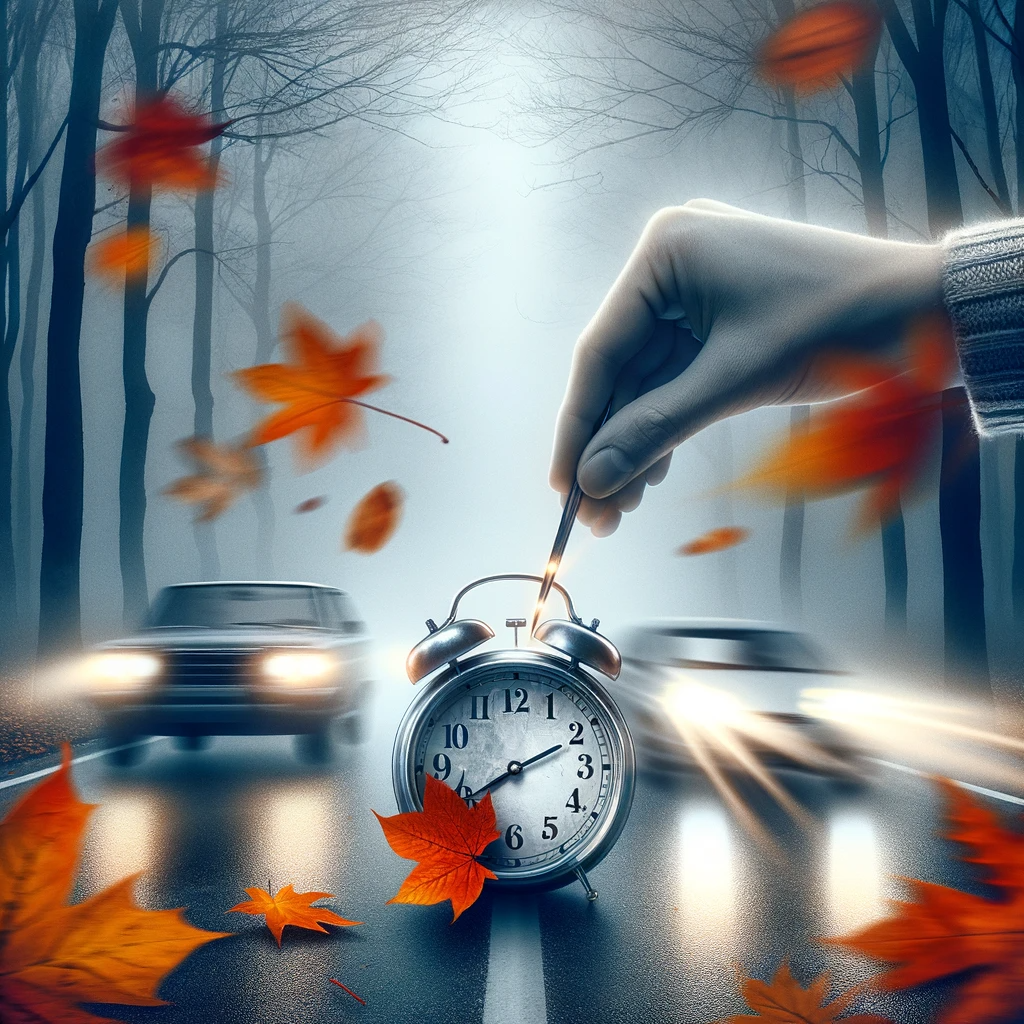
Daylight Saving Dilemma: Navigating the Surge in Fall Car Accidents with Essential Safety Insights
Navigating the Surge in Fall Car Accidents with Essential Safety Insights
Explore the crucial link between daylight saving time and increased car accidents in the fall. Our in-depth article delves into the risks of darker evenings and foggy roads, offering essential safety tips and statistics. Stay informed and drive safely this autumn.
Key Take Aways
- Increased Risk Post-Daylight Saving Time: The end of daylight saving time in the fall leads to a significant 6% increase in car accidents, primarily due to factors like sleep deprivation and earlier darkness during peak driving times.
- Fog as a Major Hazard: Fog, commonly occurring in the fall, drastically reduces visibility and is a top contributor to road accidents, highlighting the need for extra caution during foggy conditions.
- Adapting to New Conditions: The shift to standard time requires adjustments in driving habits and routines, emphasizing the importance of gradual adaptation to ensure safety on the roads during darker evenings.
- Importance of Legal Support: Understanding your rights and the complexities of car accident claims post-daylight saving time is crucial. Seeking professional legal assistance can provide essential support and guidance in navigating these incidents.
Introduction to Daylight Saving Time
Daylight Saving Time (DST) is an annual tradition observed in many countries around the world, where clocks are set forward by one hour during the warmer months to extend evening daylight. This practice, which began in the early 20th century, aims to conserve energy and make better use of daylight. However, it also brings about significant changes in our daily routines, particularly when it ends in the fall, and the clocks ‘fall back’ to standard time.
The End of Daylight Saving Time in Fall
As the days grow shorter in the fall, the end of DST marks a shift back to standard time. This change, which typically occurs on the first Sunday in November, means that clocks are set back one hour. While this grants an extra hour of sleep on one night, it also results in earlier sunsets for the months ahead. The adjustment to this new schedule can disrupt sleep patterns and circadian rhythms, affecting millions of people’s daily routines and activities.
Increased Risk of Car Accidents Post Daylight Saving Time
A notable consequence of the end of DST is the marked increase in car accidents. Research has shown a 6% rise in fatal car crashes in the week following the time change. Experts attribute this uptick to factors like sleep deprivation, which causes a jet lag-like effect, and the sudden change to darker evening commutes. The combination of tired drivers and reduced visibility during peak traffic hours makes for hazardous driving conditions.
Impact of Sleep Deprivation on Drivers
The loss of an hour’s sleep, although seemingly minor, can significantly impair reaction times, decision-making abilities, and overall alertness. Sleep-deprived drivers are more likely to make errors, overlook road hazards, and have slower reaction times.
Darker Commutes and Road Safety
Another factor contributing to the increase in accidents is the earlier onset of darkness. Commuting in the dark, particularly during rush hours, poses additional challenges for drivers. Visibility is reduced, and the risk of accidents involving pedestrians and cyclists increases significantly.
Fog and Road Safety
Adding to the dangers during this period is the presence of fog, a common occurrence in many regions during the fall. Fog drastically reduces visibility, making it challenging for drivers to see other vehicles, pedestrians, and road signs.
Statistics on Fog-Related Accidents
Studies indicate that fog contributes to a significant number of road accidents annually. The Federal Highway Administration reports that over 16,300 people sustain injuries each year in the United States due to fog-related traffic accidents, with more than 600 fatalities.
How Fog Affects Driving Conditions
Fog limits the distance drivers can see ahead, which is crucial for reacting to road conditions and hazards. It also affects depth perception and can create a false sense of security, leading to higher driving speeds than are safe for the conditions.
Combination of DST End and Fog
The intersection of the end of DST and increased fog occurrences presents a unique challenge for road safety. The reduced visibility from both earlier darkness and foggy conditions elevates the risk of accidents, particularly during morning and evening commutes.
Case Studies of Accidents
Incidences where this combination has led to accidents are not uncommon. For example, [insert case study or example here], illustrating how quickly conditions can become dangerous.
Addressing the Combined Risks
Understanding the compounded risks of post-DST driving and foggy conditions is crucial. It calls for heightened awareness and precautionary measures from both drivers and pedestrians.
Conclusion
As the days shorten and we adjust our clocks to mark the end of Daylight Saving Time, it’s vital to be aware of the increased risks on the road. The combination of sleep disruption, earlier nightfall, and foggy conditions can create perilous driving environments. By understanding these factors and taking appropriate precautions, drivers and pedestrians can better navigate these challenges and stay safe.
Safety Tips for Driving in Foggy Conditions
Driving in fog demands heightened vigilance and adherence to specific safety guidelines. Here are some essential tips to ensure safety when navigating through fog:
Use Fog Lights and Low Beams
Fog lights are designed to enhance visibility in foggy conditions. They project a wide, bar-shaped beam of light with a sharp cutoff at the top to illuminate the road without reflecting light off the fog. Additionally, using low beams is more effective than high beams, which can reflect off the fog and further impair visibility.
Maintain a Safe Following Distance
Increased stopping distances are necessary in foggy conditions. It’s crucial to maintain a greater distance than usual between your vehicle and the one ahead to allow more time to react to sudden stops or changes in traffic flow.
Drive at Reduced Speeds
Slower speeds are advisable in fog, as reduced visibility can make it challenging to perceive and react to hazards in a timely manner. It’s important to drive at a speed that allows you to stop safely within the distance you can see ahead.
Adjusting to Time Changes and Darker Evenings
Adjusting to the end of DST involves more than just changing clocks; it’s about adapting our routines and habits to ensure safety during darker evenings.
Gradual Adjustment of Sleep Schedule
To minimize the impact of the time change on your sleep pattern, try to adjust your schedule gradually. Go to bed and wake up 10-15 minutes earlier each day leading up to the time change. This can help your body’s internal clock adjust more smoothly.
Enhanced Visibility for Pedestrians
Pedestrians should take extra precautions during darker evenings. Wearing reflective clothing or using lights can make you more visible to drivers. Always cross at designated crosswalks and be extra vigilant for oncoming traffic.
FAQs Section
Addressing common questions related to DST, fog, and road safety can provide additional clarity and tips for readers. Here are some frequently asked questions:
Q: How does the end of DST affect driving conditions?
A: The end of DST means earlier nightfall, which can lead to increased fatigue and reduced visibility during evening commutes, thereby increasing the risk of accidents.
Q: Why is fog particularly dangerous for driving?
A: Fog significantly reduces visibility, distorts perception, and limits contrast, making it difficult to see other vehicles, pedestrians, and road signs.
Q: What are the best practices for driving in fog?
A: Utilize fog lights, maintain a safe distance from other vehicles, reduce speed, and focus on the road ahead.
Q: How can pedestrians stay safe during darker evenings post-DST?
A: Wear reflective clothing, use lights, cross at designated crosswalks, and stay vigilant for traffic.
As autumn approaches, bringing the end of daylight saving time, the roads become more challenging and unpredictable, especially with the increased risk of car accidents. In these times, it’s crucial to have a reliable ally who understands the complexities of road safety and legal intricacies. At Charlotte NC Car Accident Lawyers Group, we specialize in navigating the aftermath of such accidents, offering you a steadfast support system.
If you find yourself or a loved one affected by a car accident this fall, remember that you’re not alone. The shorter days and longer nights, compounded by conditions like fog, significantly increase driving risks. Our experienced team at Charlotte NC Car Accident Lawyers Group is well-versed in these seasonal hazards and their legal consequences. We’re committed to providing you with the guidance and representation you need to navigate these challenging times.
We understand the financial strain that can come with seeking legal assistance, which is why we offer a free consultation to assess your case. Our team works on a contingency basis, ensuring that you don’t pay anything until we recover money for you. This approach allows you to focus on your recovery and peace of mind, knowing that your legal concerns are in capable hands.
Our goal is to empower you with the support and knowledge necessary to make informed decisions following a car accident. We’re here to help you understand your rights, the implications of daylight saving time on road safety, and how to pursue the compensation you deserve. With Charlotte NC Car Accident Lawyers Group, you gain more than legal assistance; you gain a partner committed to your well-being and justice.
Don’t let the complexities of post-daylight saving time accidents overwhelm you. Call us today at (980) 239-2275 for your free consultation. At Charlotte NC Car Accident Lawyers Group, we stand by your side, ensuring you never have to navigate this journey alone. Remember, you only pay when we succeed in recovering for you. Let’s work together towards a safer, more secure future on the road.…


